Wedding Photography · Planning · Delivery · Privacy
Wedding Photography Guide: What Couples Should Know
Wedding photography combines documentary observation, portrait direction,
family organisation, low-light event coverage, visual design and careful post-production—often within one fast-moving day.
A strong result depends on more than camera quality. The couple and photographer need a shared understanding of style,
timeline, important people, deliverables, image use, privacy and what happens when the wedding does not follow the schedule exactly.
- Styles Explained
- Timeline and Shot Priorities
- Contracts and Deliverables
- Edited vs Retouched Images
- Privacy and Publication
- Backup and Team Planning
The Direct Answer
What Does Professional Wedding Photography Include?
Documentary Coverage
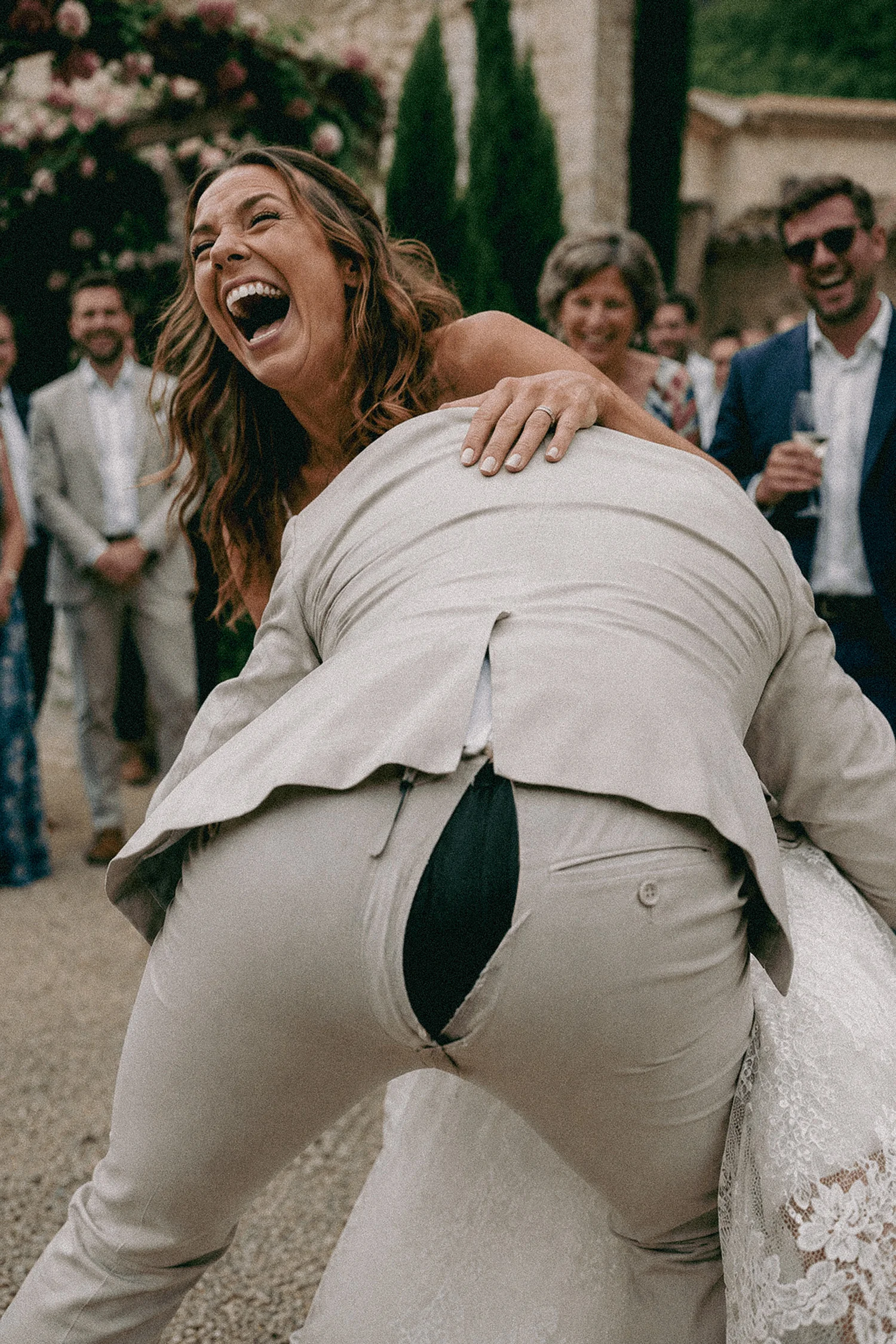
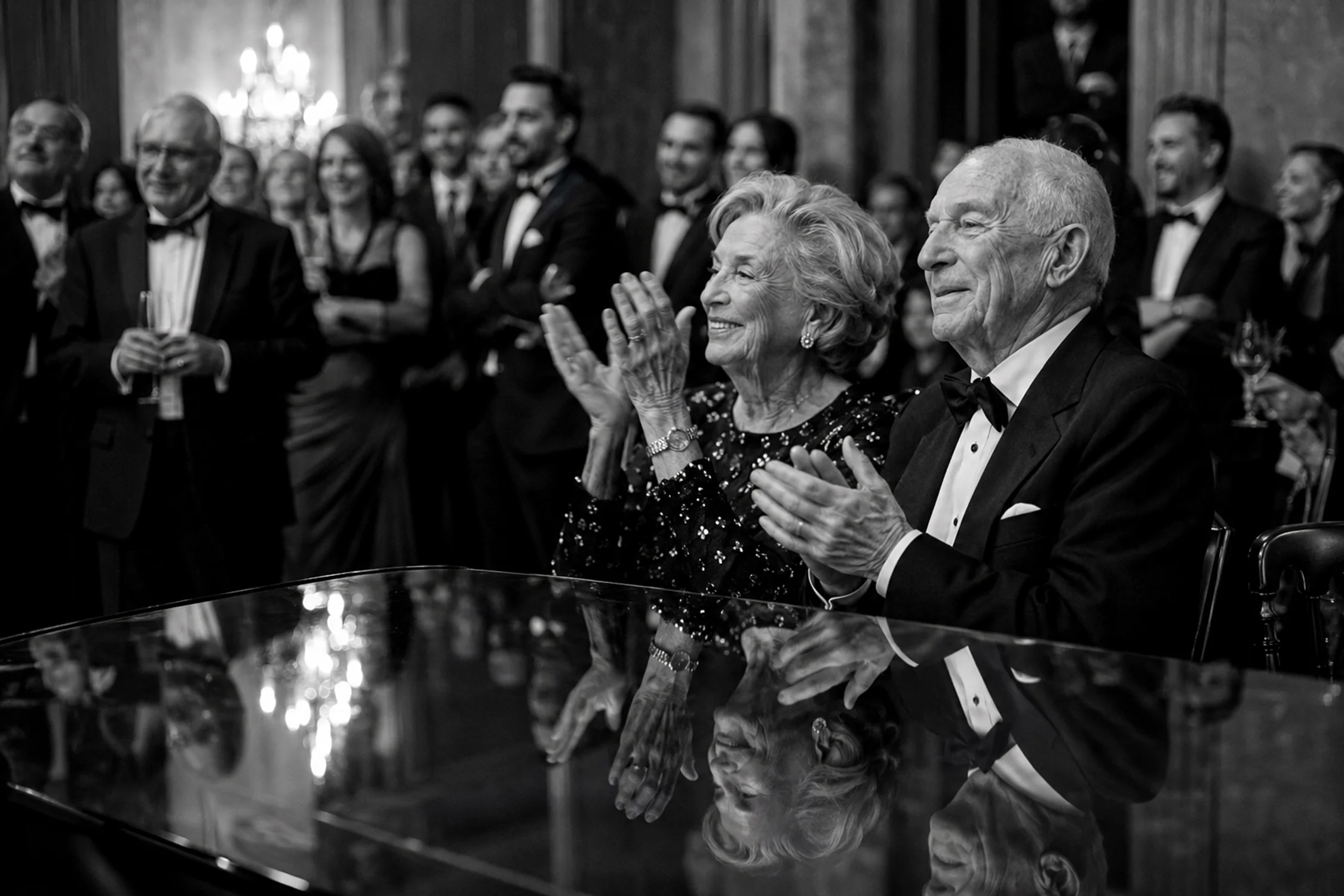
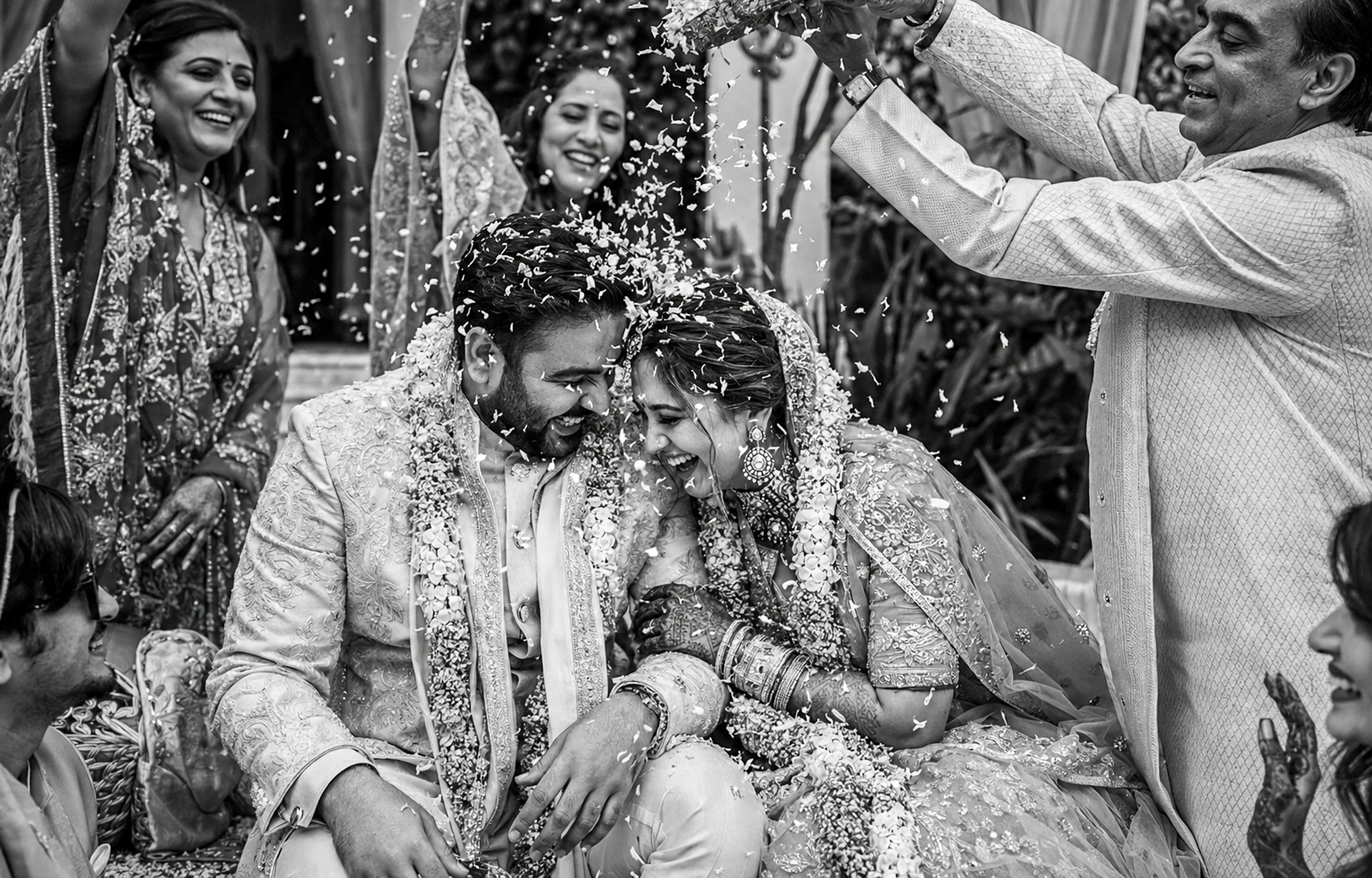
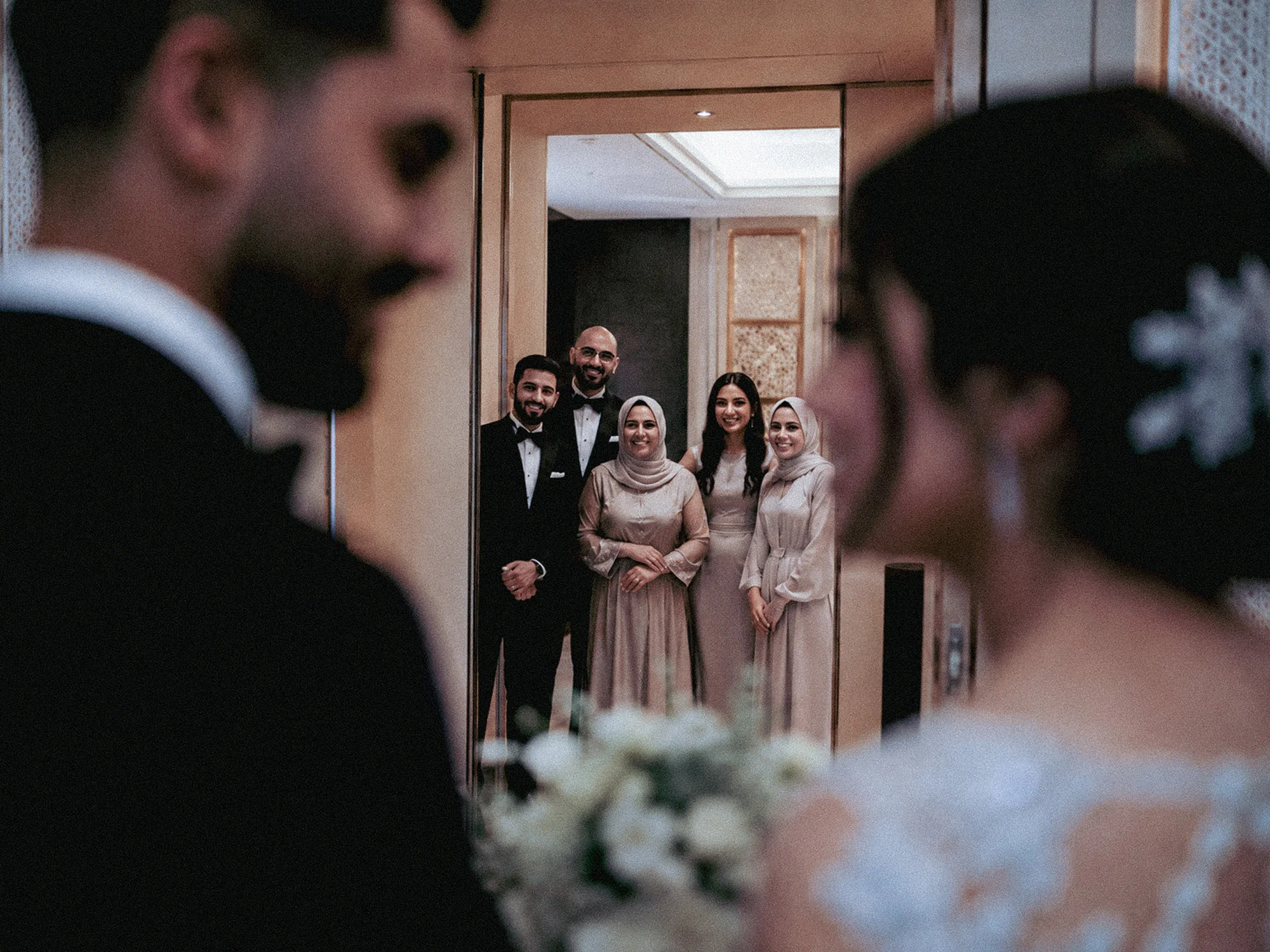
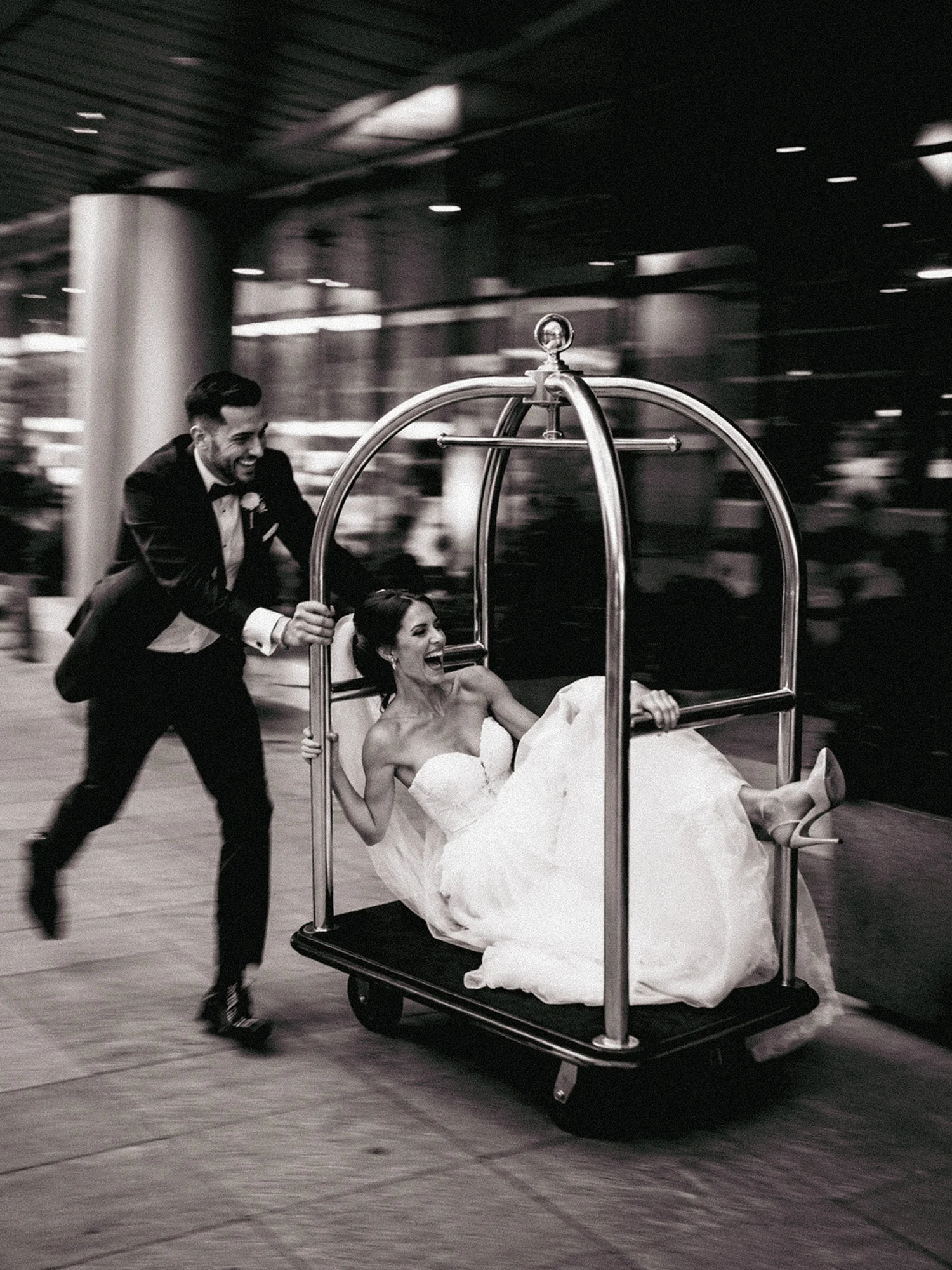
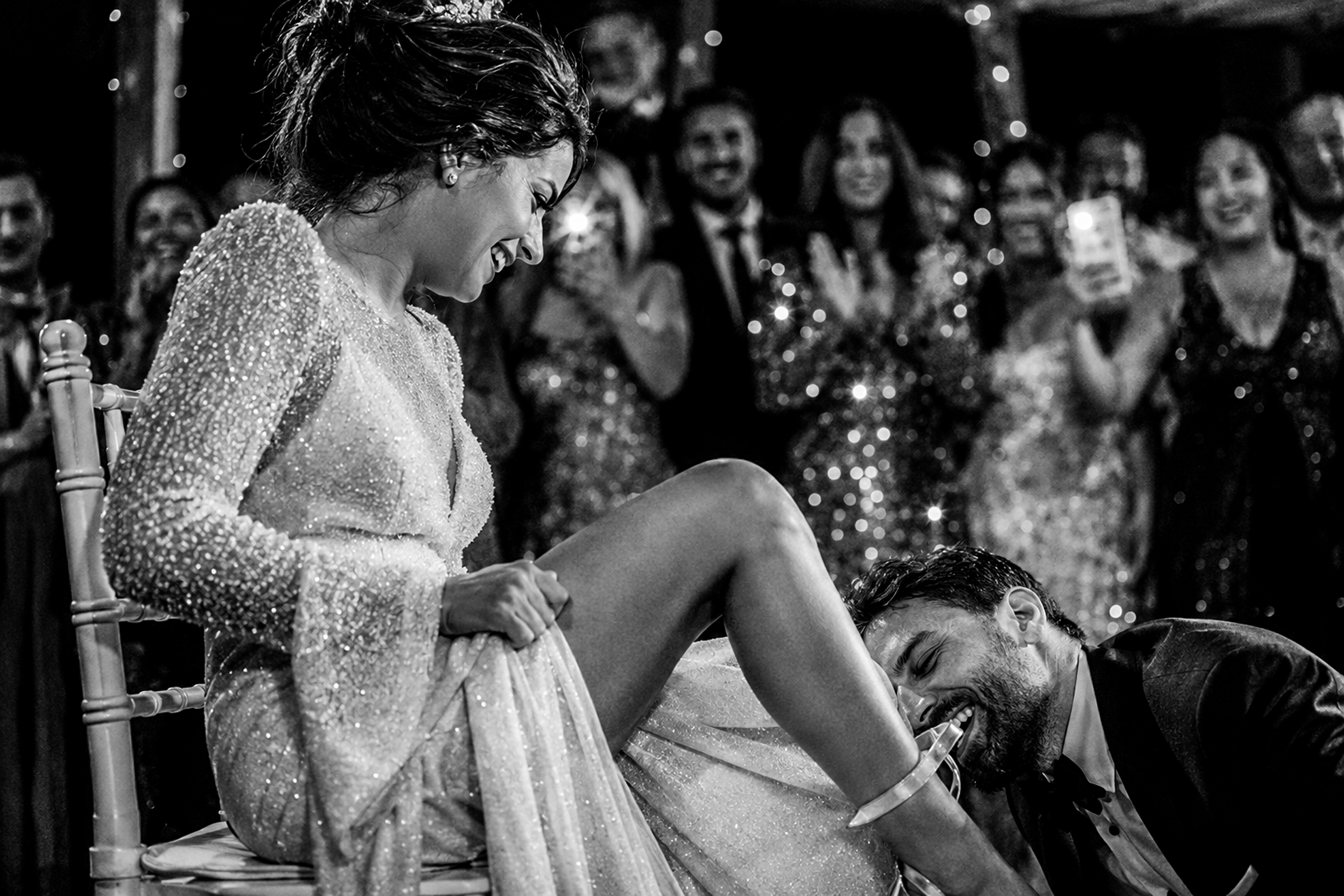
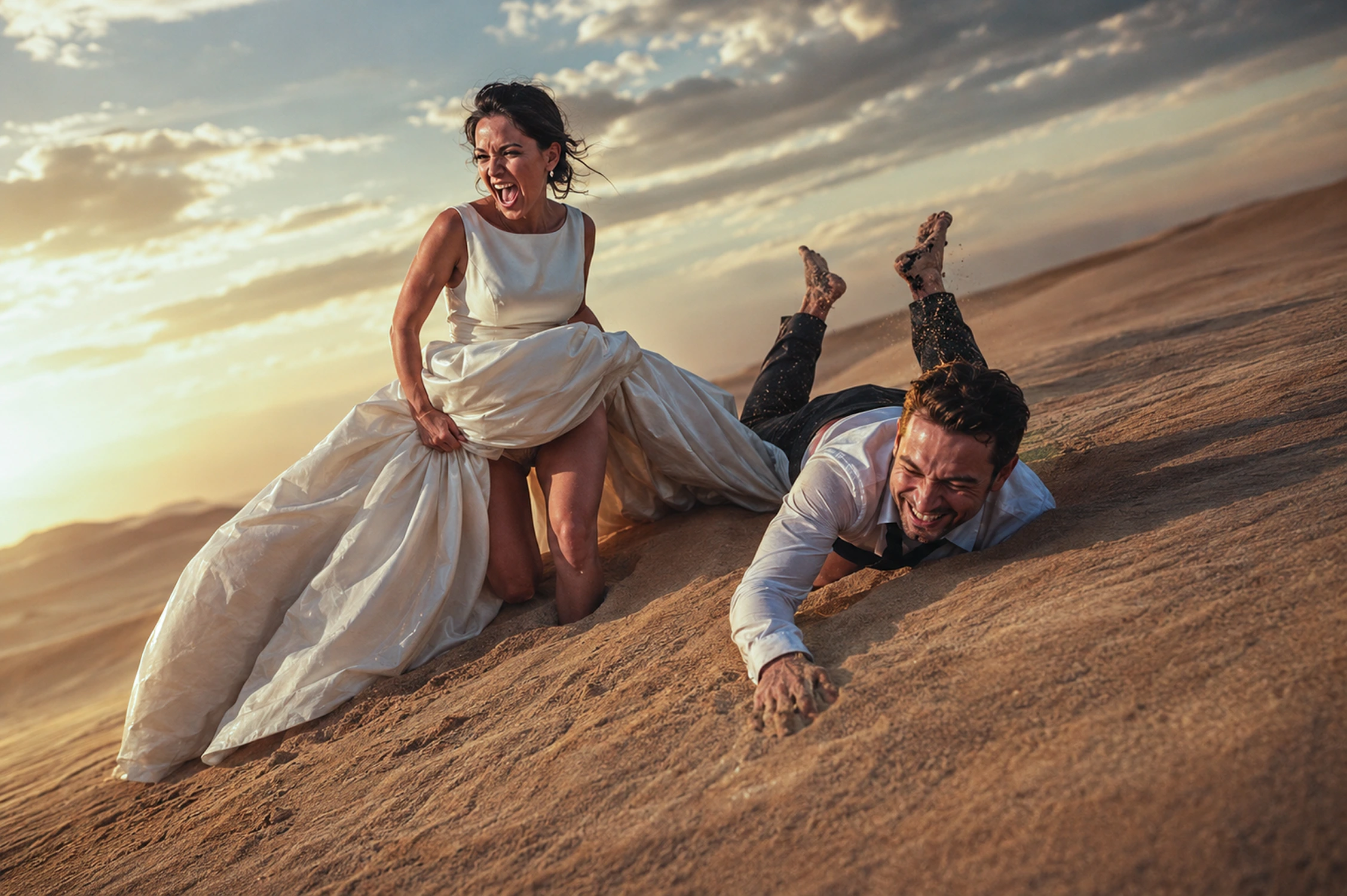
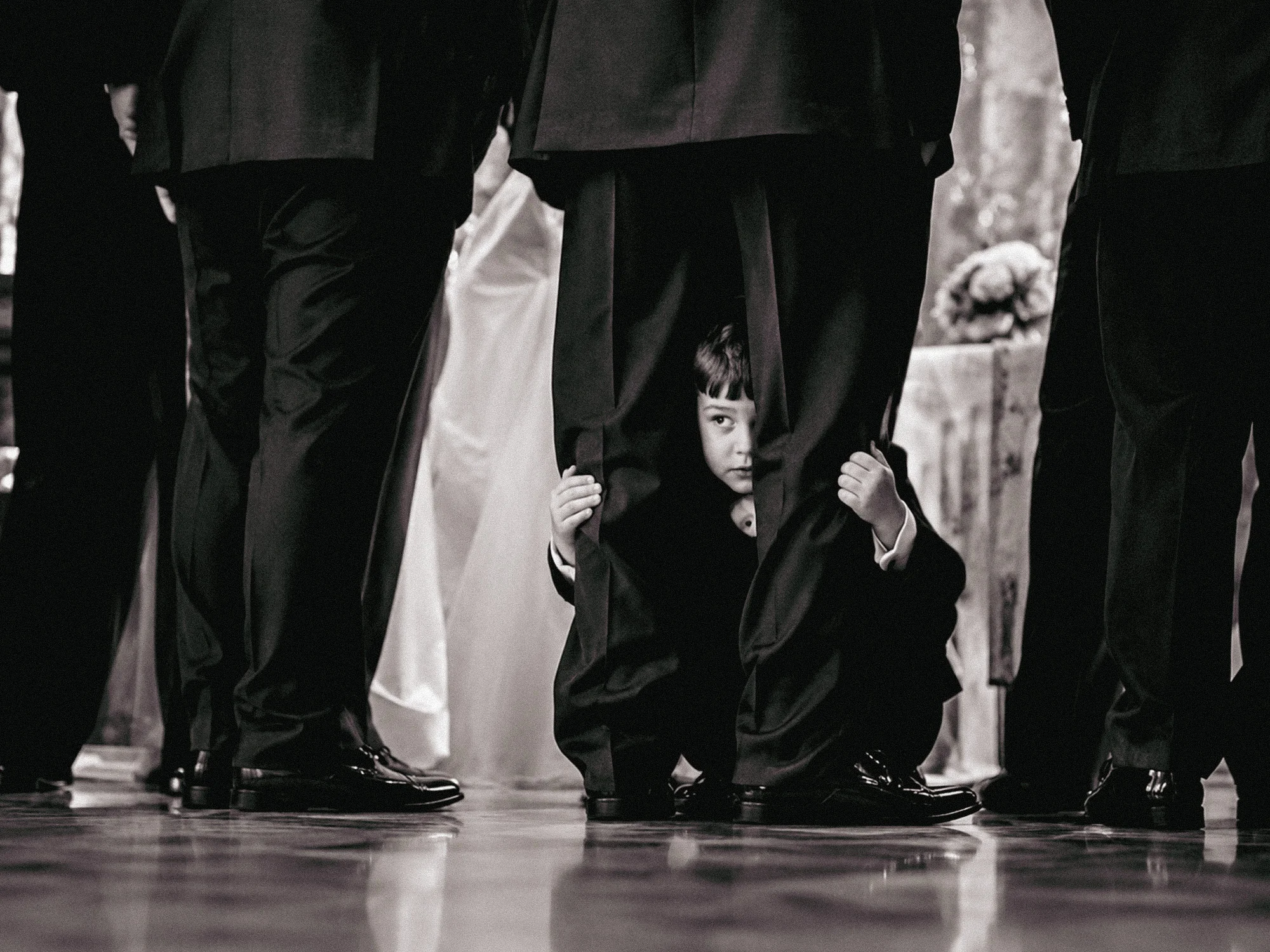
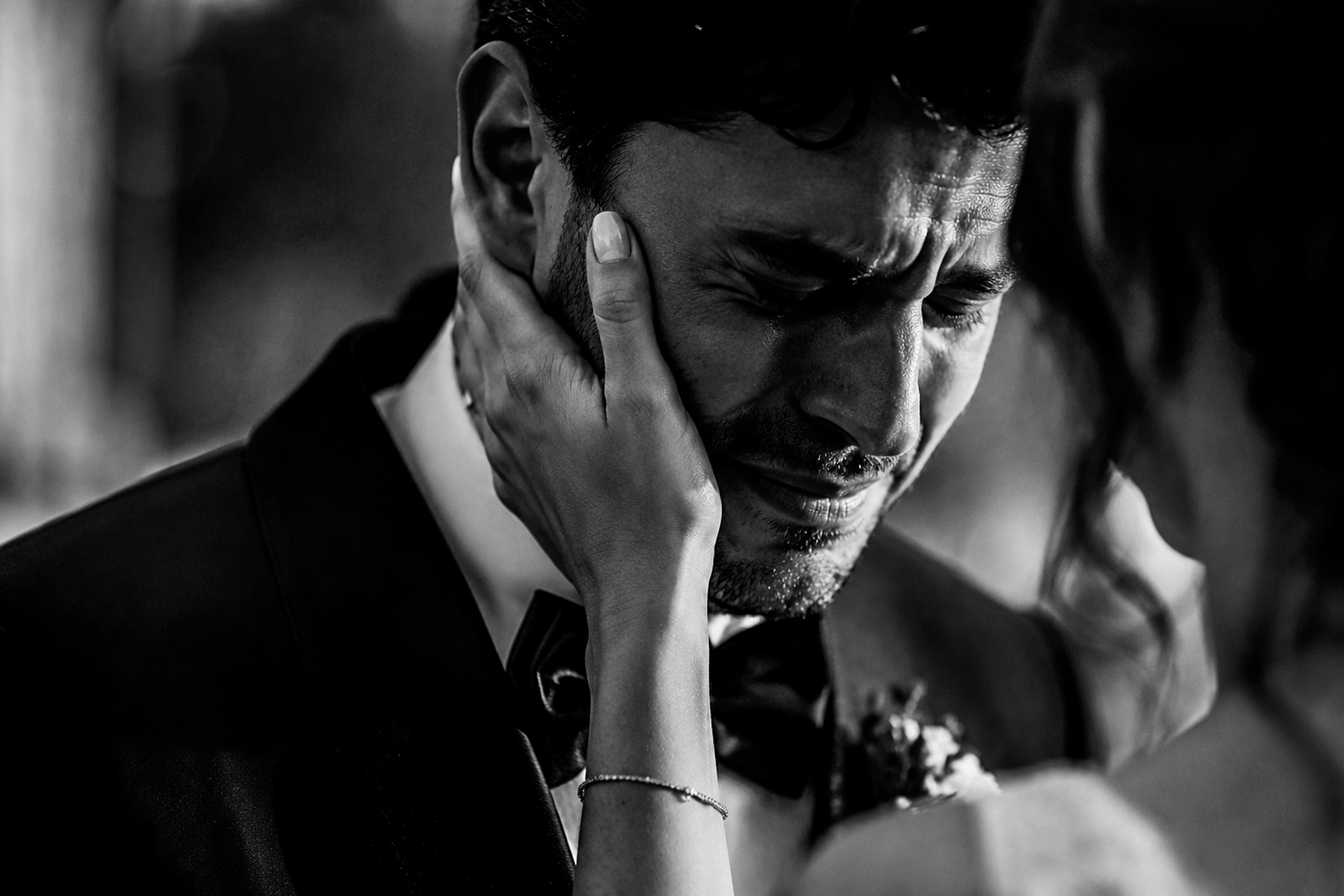
Unscripted expressions, interactions and transitions are observed without turning every part of the wedding into a directed photoshoot.
Portrait Direction
Couple portraits, family groups and wedding-party photographs require clear posing, efficient organisation and attention to posture, light and clothing.
Ceremony Awareness
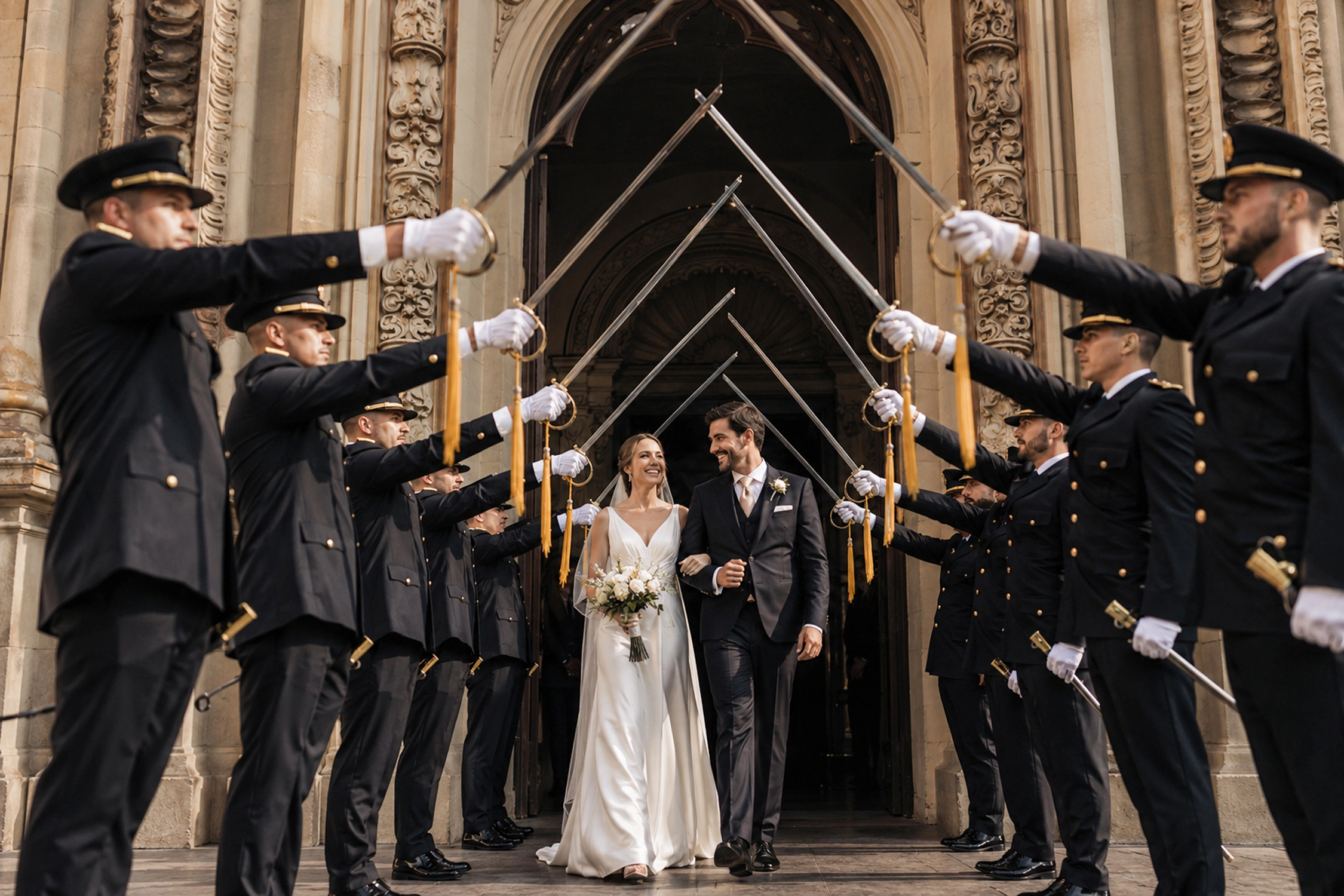
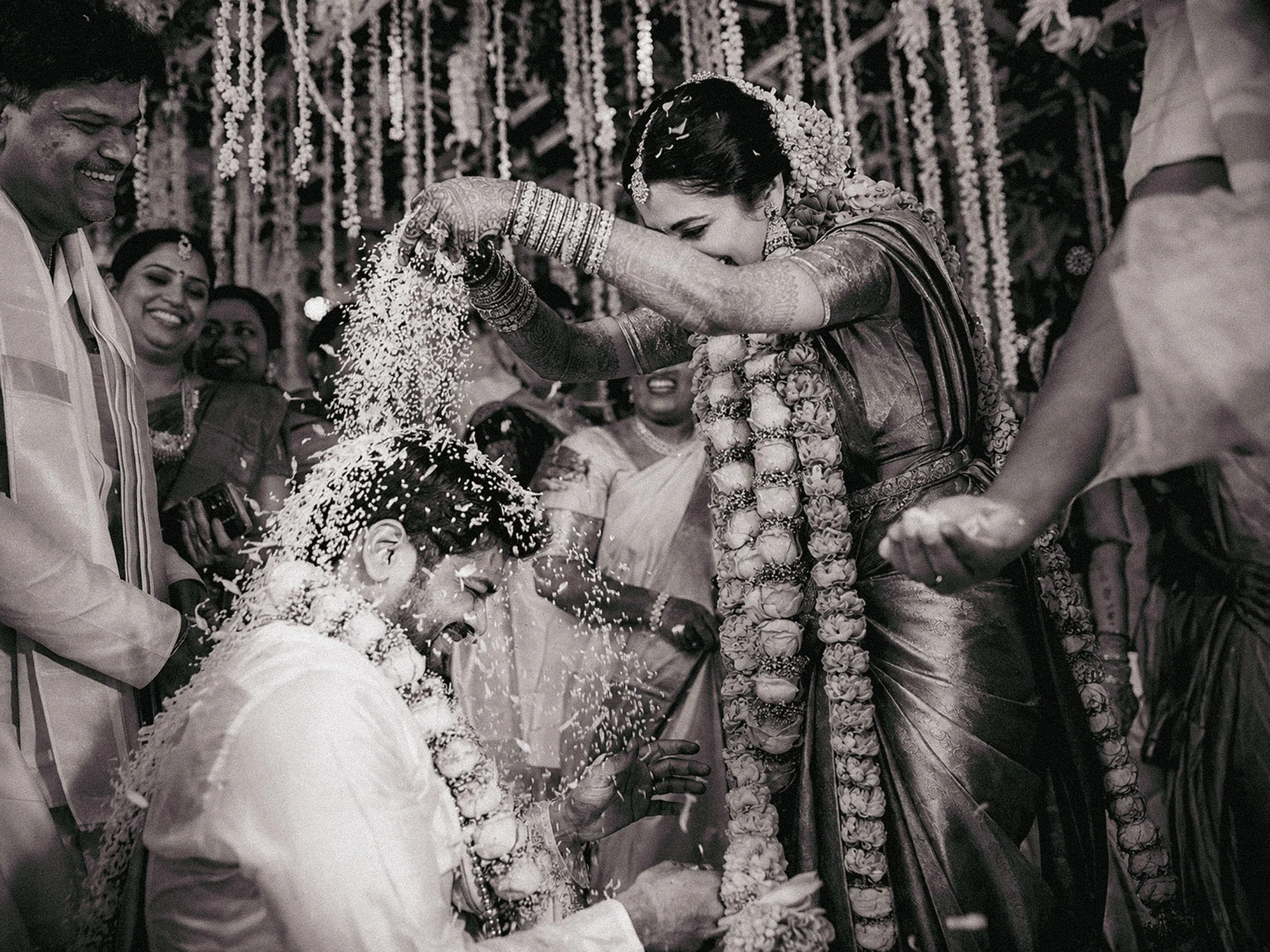
The photographer needs the ceremony order, cultural restrictions, important reactions and positions that can be used without interrupting the event.
Detail and Venue Storytelling
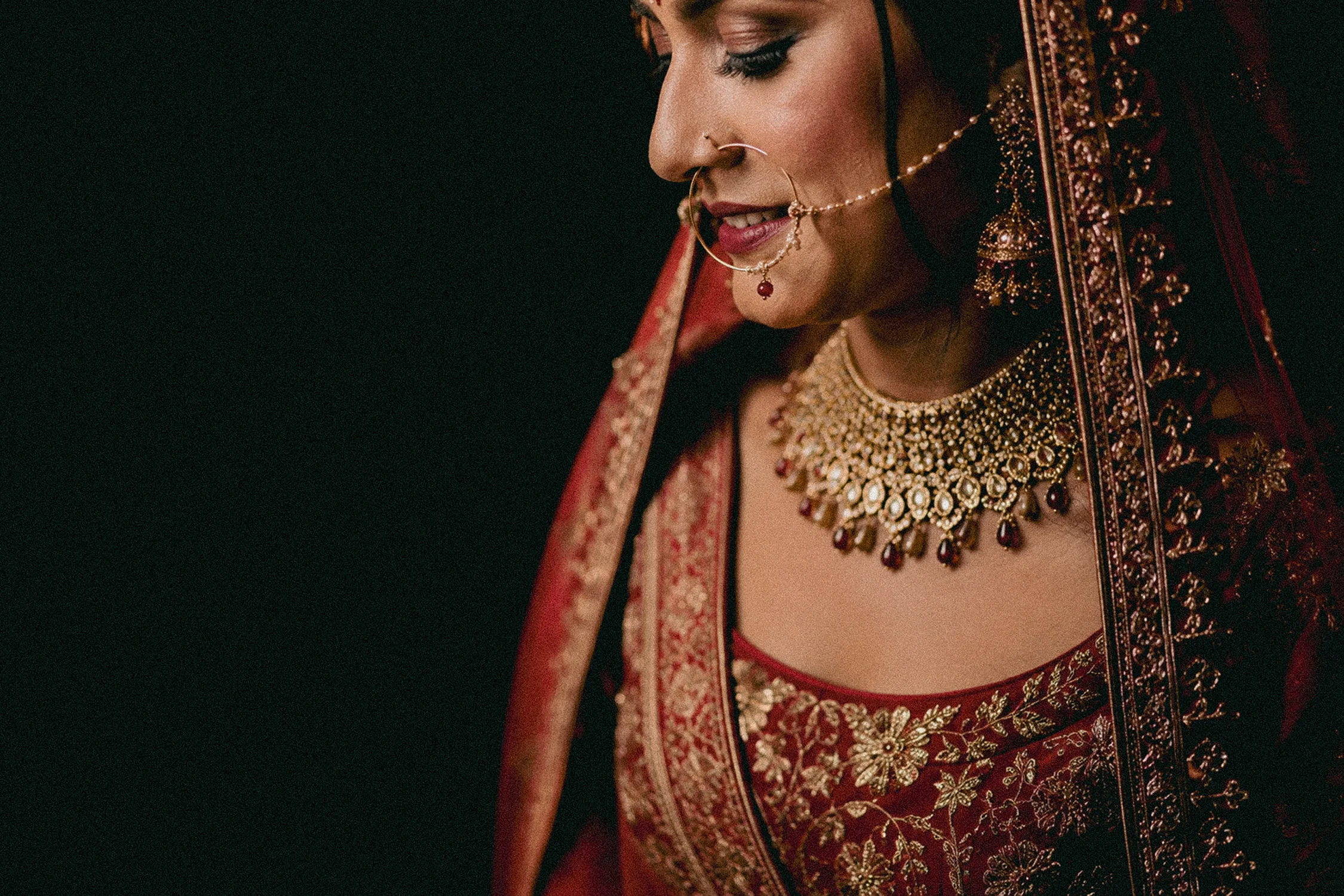
Attire, jewellery, stationery, flowers, architecture and reception design create context when they are photographed alongside people and moments.
Technical Problem-Solving
Daylight, dark ballrooms, mixed LED light, fast movement, rain and restricted spaces require different camera and lighting decisions.
Curation and Delivery
The final work includes selection, colour correction, consistency, export, gallery preparation and any separately agreed detailed retouching or album design.
but the finished wedding collection should be a coherent visual record—not a storage folder of every shutter press.
Style Labels Are Starting Points
Common Wedding Photography Styles Explained
Most experienced photographers blend several approaches.
The useful question is not which label sounds best, but how the full gallery looks across an entire wedding.
Documentary or Photojournalistic
Prioritises real events, reactions and relationships with limited interruption during the ceremony and reception.
Editorial
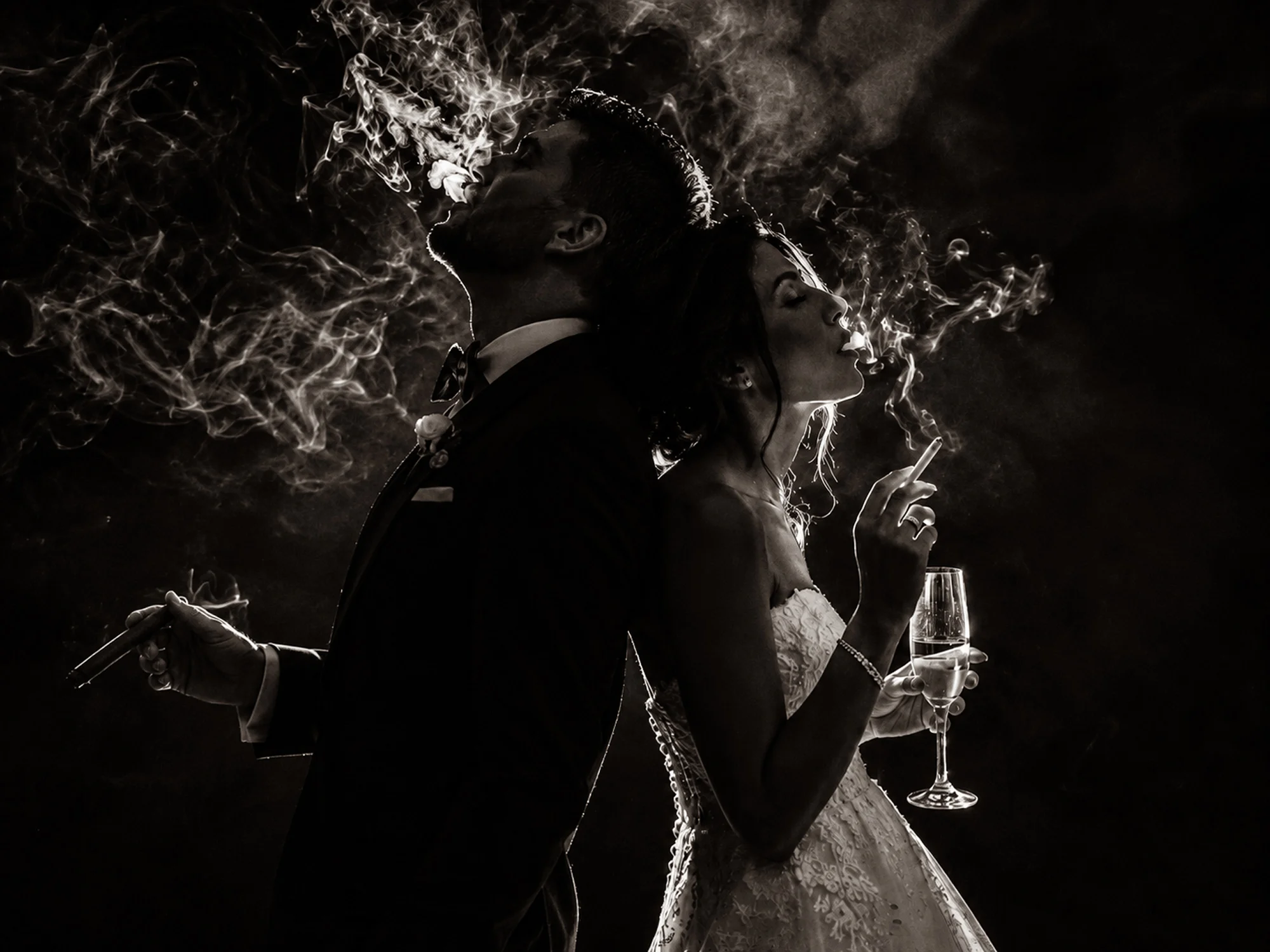
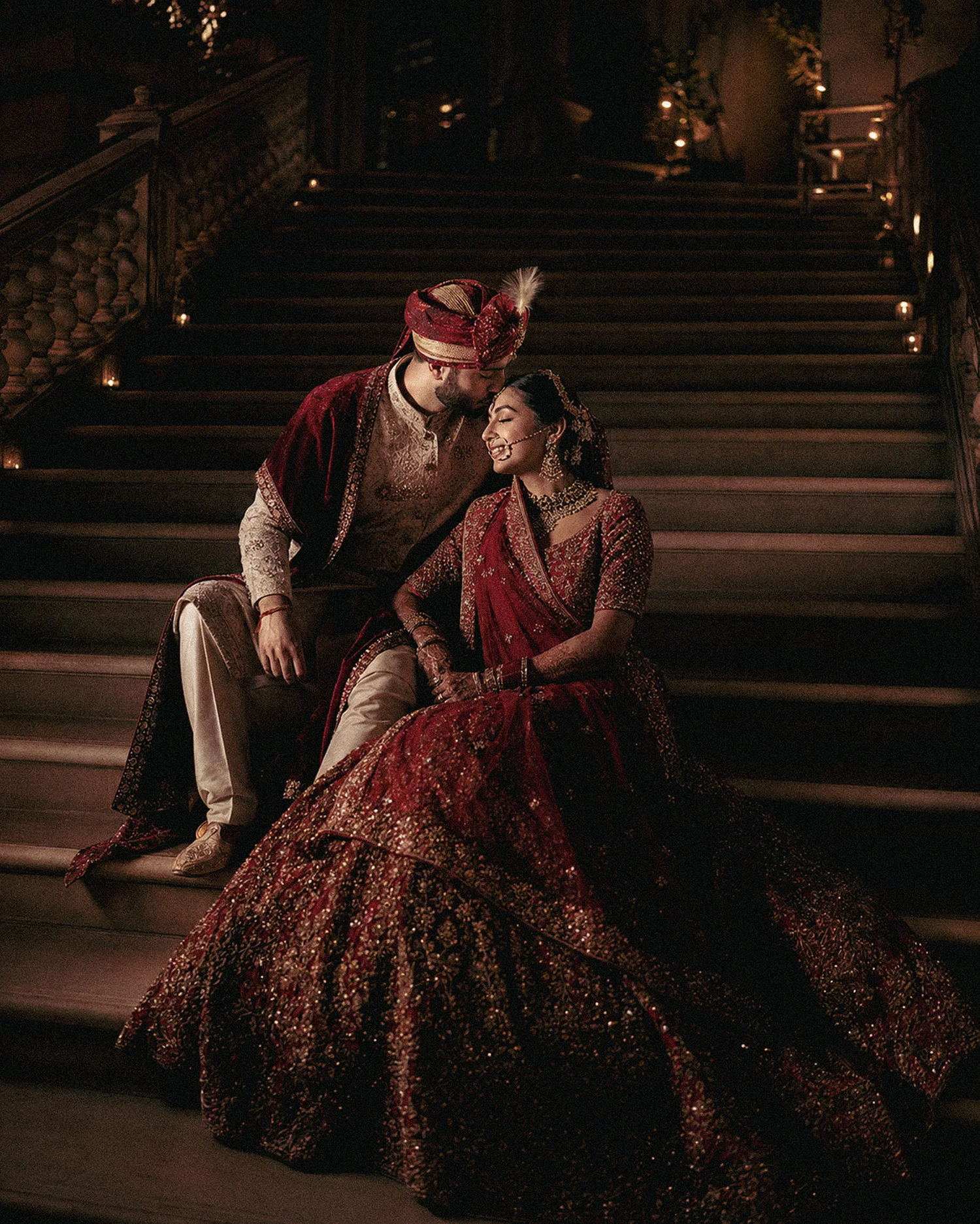
Uses intentional light, composition, posture and styling to create refined portraits inspired by magazine and fashion imagery.
Traditional or Formal
Places greater emphasis on organised family groups, direct camera awareness and a clear record of expected people and rituals.
Fine-Art Approach
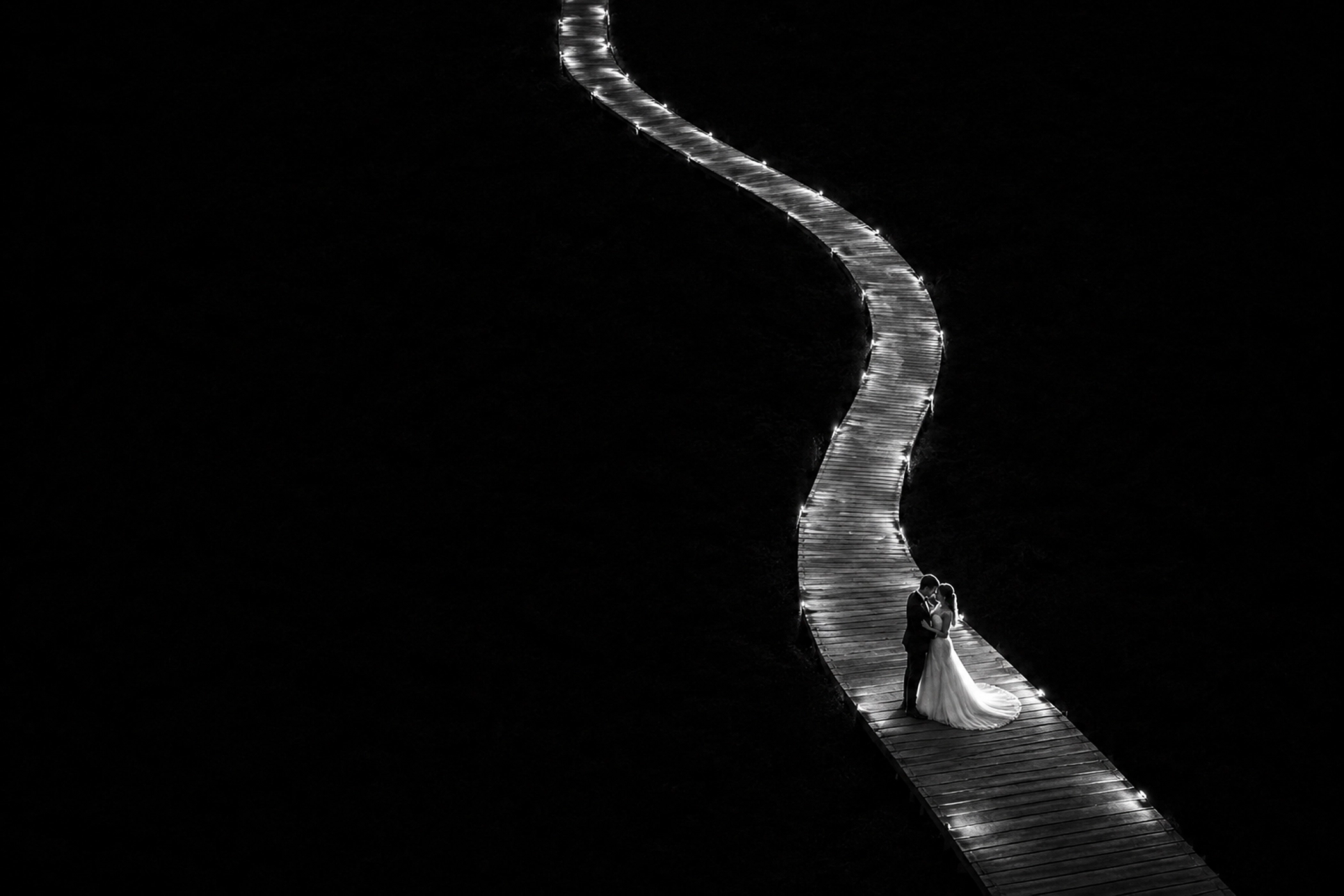
May use softer light, controlled colour, negative space and carefully composed details to create a distinctive visual interpretation.
Dark and Dramatic
Uses stronger contrast, directional light, flash or deeper colour to create atmosphere, especially in evening venues.
Natural and True-to-Life
Prioritises believable skin tone, restrained editing and a close relationship to the colour and light experienced at the wedding.
A portfolio of selected hero images does not show consistency across preparation, ceremony, family groups and reception.
Before Booking
How to Evaluate a Wedding Photographer Properly
Review Full Galleries
Look for consistency in daylight, indoor preparation, ceremonies, family photographs, speeches, dancing and difficult mixed lighting.
Meet the Actual Photographer
Confirm who will photograph the wedding, who may replace them and whether second photographers are employees, regular partners or subcontractors.
Understand the Working Style
Ask how the photographer balances candid coverage, family organisation and directed portraits without controlling the entire day.
Discuss Similar Challenges
Guest count, separate halls, cultural ceremonies, dark venues, travel, outdoor weather and strict privacy can change the required plan.
Check Communication Quality
The photographer should explain scope, timing and limitations clearly before the contract—not only describe the work as cinematic or luxury.
Read the Proposal and Contract
Hours, team, deliverables, payment, cancellation, overtime, editing, delivery deadline and usage terms should match what was discussed.







The Timeline Protects the Photographs
Wedding Photography Needs Realistic Time, Not Empty Promises
Adobe and Nikon wedding guidance both emphasise advance planning,
while also recognising that real weddings rarely follow every planned minute.
Preparation Time
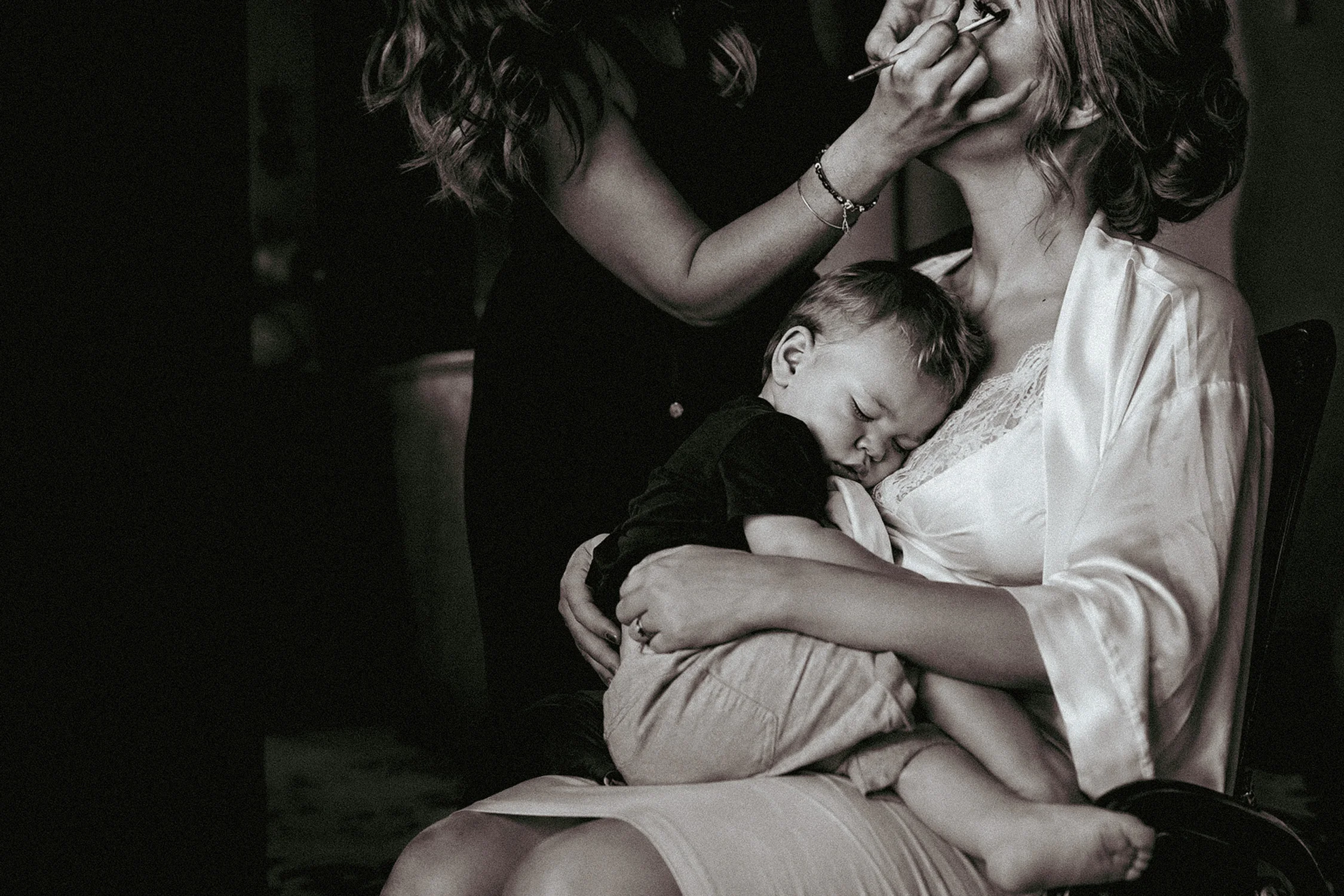
Attire, details, hair and makeup, family interactions and clean getting-ready photographs need a room and timeline that are actually ready.
Family and Couple Portraits
Travel, guest greetings, missing relatives, stairs, heat and room changes must be included when estimating portrait time.
Reception Events
Entrances, speeches, dances, cake and performances should be shared in advance so the team is not changing batteries or locations during a key moment.
Shot Lists Without Over-Scripting
What Couples Should Put on a Wedding Photography Priority List
- Parents, grandparents, siblings and important family relationships
- Essential formal family combinations
- Religious, legal and cultural rituals that cannot be repeated
- People travelling long distances or guests with limited mobility
- Sentimental jewellery, clothing, documents and inherited objects
- Private surprises known only to the planner or photographer
- Publication restrictions and people who must not appear online
- Venue areas or details that are personally meaningful
The list should protect essential people and moments while allowing the photographer to respond to the real wedding.
One Photographer or a Larger Team?
Team Size Depends on Simultaneous Responsibilities
One Photographer
Can suit a smaller or simpler celebration when preparation, ceremony and reception occur in an accessible sequence without parallel events.
Second Photographer
Can cover simultaneous preparation, alternative ceremony angles, reactions, guest activity or a second hall while the lead follows the main story.
Larger Multi-Day Team
May be needed for several event days, large guest counts, simultaneous halls, complex cultural programmes and separate photo or film deliverables.
Several photographers repeating the same position do not create complete coverage.
The Wedding Photography Contract
What Should Be Written Before the Wedding?
| Contract Area | Questions to Resolve |
|---|---|
| Parties and Photographer | Who signs the agreement, and who will actually photograph the wedding? |
| Date, Locations and Hours | When does coverage begin and end, and which preparation, ceremony and reception locations are included? |
| Team and Scope | How many photographers or assistants are included, and what services are outside the package? |
| Payment and Overtime | What are the deposit, balance dates, travel charges and overtime process? |
| Cancellation or Rescheduling | What happens if the date, venue or event structure changes? |
| Photographer Emergency | What replacement or backup process applies if the assigned photographer cannot attend? |
| Deliverables | What gallery, files, retouching, album, previews or prints are included? |
| Delivery Deadline | What is the written deadline or delivery range for the agreed products? |
| Image Use and Publication | What personal-use rights does the client receive, and may the studio publish any images? |
| Privacy and Confidentiality | Which parts of the wedding, guests or files require restricted access or non-publication? |
This guide identifies questions to document; it is not legal advice. Use a contract appropriate to the applicable country and project.
Understand the Final Files
Edited Images, Retouched Photographs and RAW Files Are Different
Standard Edited Gallery
Selected photographs generally receive exposure, colour, crop, contrast and consistency work appropriate to the photographer’s style.
Detailed Retouching
A smaller selected group may receive additional work on skin, clothing, background distractions or objects, depending on the proposal.
RAW Files
RAW files are working camera data rather than finished photographs. Whether they are available, excluded or supplied under conditions should be stated clearly.
High-Resolution Files
Ask what file size, format, colour profile and personal printing permission are included for large prints or albums.
Online Gallery
Confirm gallery access period, password options, download permissions, guest access and whether private images can be separated.
Album Files and Design
Album selection, revision rounds, page count, cover, printing and approval deadlines should be distinguished from the online gallery.
How Many Photos and How Fast?
There Is No Universal Photo Count or Delivery Time
Coverage Duration
A short ceremony and a multi-day wedding cannot be expected to create the same volume or post-production workload.
Event Density
Guest count, cultural rituals, performances, parallel rooms and the number of photographers affect the amount of usable material.
Curation Standards
Some photographers deliver a tighter narrative; others provide a broader documentary record. Repetition should not be mistaken for completeness.
Editing Scope
Standard colour editing, detailed retouching, album design and film production require different amounts of post-production time.
Season and Workload
Delivery time can vary with the studio’s schedule, but the agreed deadline should still be written in the contract.
Communication
Ask whether previews are included, when the complete gallery is due and what happens if additional client selections delay an album.
Backup Is a Workflow, Not One Spare Camera
Questions About Reliability and File Protection
- Does the photographer bring backup camera bodies, lenses, batteries and lighting?
- Are memory cards selected and handled to reduce single-point failure?
- When and how are files copied after the event?
- Are working files stored in more than one location during post-production?
- What happens if the assigned photographer is ill or unable to attend?
- How long are final galleries or project files archived?
- Which parts of the backup and archive policy are contractual promises?
and explain the studio’s responsibilities honestly.
Privacy in the UAE
Consent, Private Delivery and Publication Need Separate Decisions
Photographing People
Official UAE visitor guidance says not to photograph people without permission. Wedding guests should also understand the event’s photography policy.
Images as Personal Data
UAE personal-data legislation includes identifiable images, voices and facial images within its definitions of personal and biometric data.
Portfolio Permission
Being photographed for private wedding delivery is not the same as approving website, advertising or social-media publication.
Female Team Options
Female photographers and videographers can be requested for preparation, women-only spaces or private celebrations according to availability.
Restricted Galleries
Password protection, separated galleries and limited guest download access can be used when the project requires greater privacy.
Written Non-Publication
Website, competition, portfolio and social use can be restricted or excluded through the written agreement.
Locations, Permits and Drone Coverage
Professional Production Rules Depend on the Project
Venue Permission
Hotels, private properties, managed public areas and religious or government locations can impose their own photography rules and access limits.
Dubai Media Production
Dubai Film and TV Commission guidance includes still photography within professional media-production formats that may require a permit and location NOC.
Drone or FPV
Professional aerial photography follows a separate GCAA registration, security, airspace and operational process and should never be guaranteed before approval.
The venue, organiser and production company should verify the current requirements for the exact location and intended use.
Verified Production Experience
What a Two-Day Burj Al Arab Wedding Demonstrates
A verified two-day wedding production at Burj Al Arab involved approximately 250 guests,
two photographers, five videographers and a twelve-person total team.
Approximately 2,500 files were captured. The completed photographic delivery included
approximately 500 final photographs, with 200 selected images receiving professional retouching.
Album and personal-use delivery were part of the wider project.
The available record does not disclose the event year or client identity.
This example is not a promise that every wedding needs the same team or receives the same number of photographs.
The production challenge was coordination: several people, spaces, ceremonies, family priorities,
lighting conditions, audio sources and final photo or film deliverables had to follow one shared plan.
Common Misunderstandings
Wedding Photography Claims Couples Should Examine Carefully
“Unlimited Photos”
Ask whether this means every captured file, every technically usable file or an edited final gallery without a fixed maximum.
“All Images Retouched”
Clarify whether this means standard colour editing or detailed retouching of skin, clothing and backgrounds.
“Cinematic Photography”
This is a descriptive marketing phrase, not a standard deliverable. Review full galleries to understand the actual visual style.
“Copyright Included”
Clarify whether the client receives personal-use permission, a broad licence or a formal copyright transfer under the applicable contract.
“Drone Included”
Aerial work remains dependent on current law, security, airspace, location, operational and weather approval.
“Venue Experience Is Essential”
Previous venue work can help, but strong planning, scouting, adaptability and technical skill matter more than repeating one familiar set of photographs.
Research Sources
References Used for This Wedding Photography Guide
- Adobe: Wedding Photography Guide — timeline review, shot-list preparation and coverage priorities.
- Nikon: Wedding Photography Tips — compressed timelines, fast adaptation and professional execution.
- Professional Photographers of America: Contract Guidance — scope, payment, delivery, editing, copyright, usage and releases.
- The Knot: Wedding Photography Contract — written delivery timing and contract expectations.
- UAE Government: Photography Guidance — permission before photographing people and restricted subjects.
- UAE Personal Data Protection Law — identifiable image, voice and facial-image definitions.
- Dubai Film and TV Commission: How to Film in Dubai — professional still-photography permits and private-location NOCs.
- GCAA: Professional Drone Operations — commercial photography, registration and operational approval.
Related Wedding Photography Guides
Continue with the Topic You Need
Frequently Asked Questions
Wedding Photography FAQ
What is included in professional wedding photography?
Coverage can include preparation, ceremony, family groups, couple portraits, details, reception, editing, an online gallery and any separately agreed album or retouching.
How do we choose a wedding photography style?
Review complete galleries and decide how much documentary coverage, directed portraiture, dramatic lighting and natural colour you prefer.
Should we give the photographer a shot list?
Provide essential people, family combinations, cultural rituals and meaningful objects. Avoid scripting every candid photograph.
Do we need a second photographer?
A second photographer can help when preparation, halls or important events happen simultaneously, but the need depends on the actual timeline and scope.
How many wedding photographs should we receive?
There is no universal number. Coverage hours, guest count, event density, team size and curation standards all affect the final gallery.
Are RAW files the same as unretouched JPEGs?
No. RAW files are working camera data, while a JPEG can be exported with or without completed editing. The contract should state exactly what files are included.
Can our wedding photographs remain private?
Yes. Publication, portfolio use, gallery access and social-media permission can be limited or excluded in the written agreement.
Is drone photography automatically included?
No. Professional drone coverage remains conditional on current aviation, security, airspace, location, operational and weather approval.
Dubai · Abu Dhabi · UAE · Destination Weddings
Request Your Wedding Photography Proposal
Share the date, venue, guest count, event days, ceremony structure,
important people, photo and film deliverables, album requirements, and privacy preferences.