Dubai · UAE · Wedding Attire and Photography Planning
How to Choose a Wedding Gown and Groom Outfit That Looks and Feels Right
The right wedding attire should support the people wearing it—not force them to spend the day managing fabric,
restricted movement, slipping straps, painful shoes or a suit that cannot be buttoned comfortably.
Style matters, but fit, climate, movement, cultural meaning and the wedding timeline determine whether a gown and outfit still feel right after hours of walking, greeting, sitting, dancing and being photographed.
- Fit Before Trends
- Movement and Comfort
- UAE Climate Planning
- Train and Bustle
- Suit Tailoring
- Photo and Film Test
Begin with the Wedding, Not the Hanger
Five Questions to Answer Before Choosing the Outfit
Where Will the Wedding Happen?
A ballroom, garden, beach, desert, religious venue and city ceremony place different demands on hem length, footwear, fabric and coverage.
How Long Will It Be Worn?
An outfit for a short ceremony can behave differently from one worn through preparation, portraits, dinner and several hours of dancing.
How Much Movement Is Required?
Walking, stairs, sitting, entering a vehicle, greeting guests, dancing and cultural ceremonies should all be tested before the final fitting.
What Is Personally Meaningful?
Family jewellery, cultural dress, embroidery, a veil, headpiece or inherited detail may matter more than following a temporary fashion trend.
How Will the Day Be Photographed?
Portrait time, available light, indoor and outdoor locations, wind, movement and the desired visual style affect practical outfit decisions.
What Must Remain Private?
Coverage, preparation-room access, publication permission and female-team requirements should be considered alongside the clothing itself.
Looking impressive for one static photograph is not enough.
Wedding Gown Fit and Function
Choose a Bridal Gown That Can Move Through the Real Timeline
Bodice Support
The gown should remain secure during walking, sitting, hugging and dancing without constant pulling or visible strain.
Hem Length
The hem should work with the final shoes and movement plan. Excess fabric can create tripping risks and make walking look hesitant in photographs and film.
Train and Bustle
A train can add strong ceremony and portrait images, but the bustle must be tested, taught to a responsible person and given time in the schedule.
Fabric Weight
Structure can create a clean silhouette, while lighter layers can move beautifully. The correct balance depends on climate, venue and wearing time.
Lining and Transparency
Test the gown in daylight, flash and backlight. A fabric that appears opaque in a fitting room may behave differently near windows or outdoors.
Veil and Headpiece Security
Confirm how each piece attaches, how long it can be worn and who will remove or reposition it without damaging hair or fabric.
Final Fitting Test
Do More Than Stand in Front of the Mirror
Wear the intended shoes, undergarments and major accessories, then test the movements that will happen on the wedding day.
Walk at Normal Speed
Check the hem, train, shoe grip and whether the outfit changes the way you naturally walk.
Sit and Stand
Test a normal chair and a lower seat. Watch for pulling, rolling, exposed closures or pressure that becomes painful.
Raise the Arms
Practice hugging, dancing and lifting the arms. Sleeves, straps and armholes should not restrict breathing or movement.
Turn and Use Stairs
Check balance, train control and whether someone needs to assist during entrances or venue transitions.
Practice the Bustle
The person responsible should learn the exact hooks, ties or buttons and record a short reference video during the fitting.
Take Phone Test Photos
Review front, side, back, sitting and movement views under daylight and indoor light before approving the final alteration.




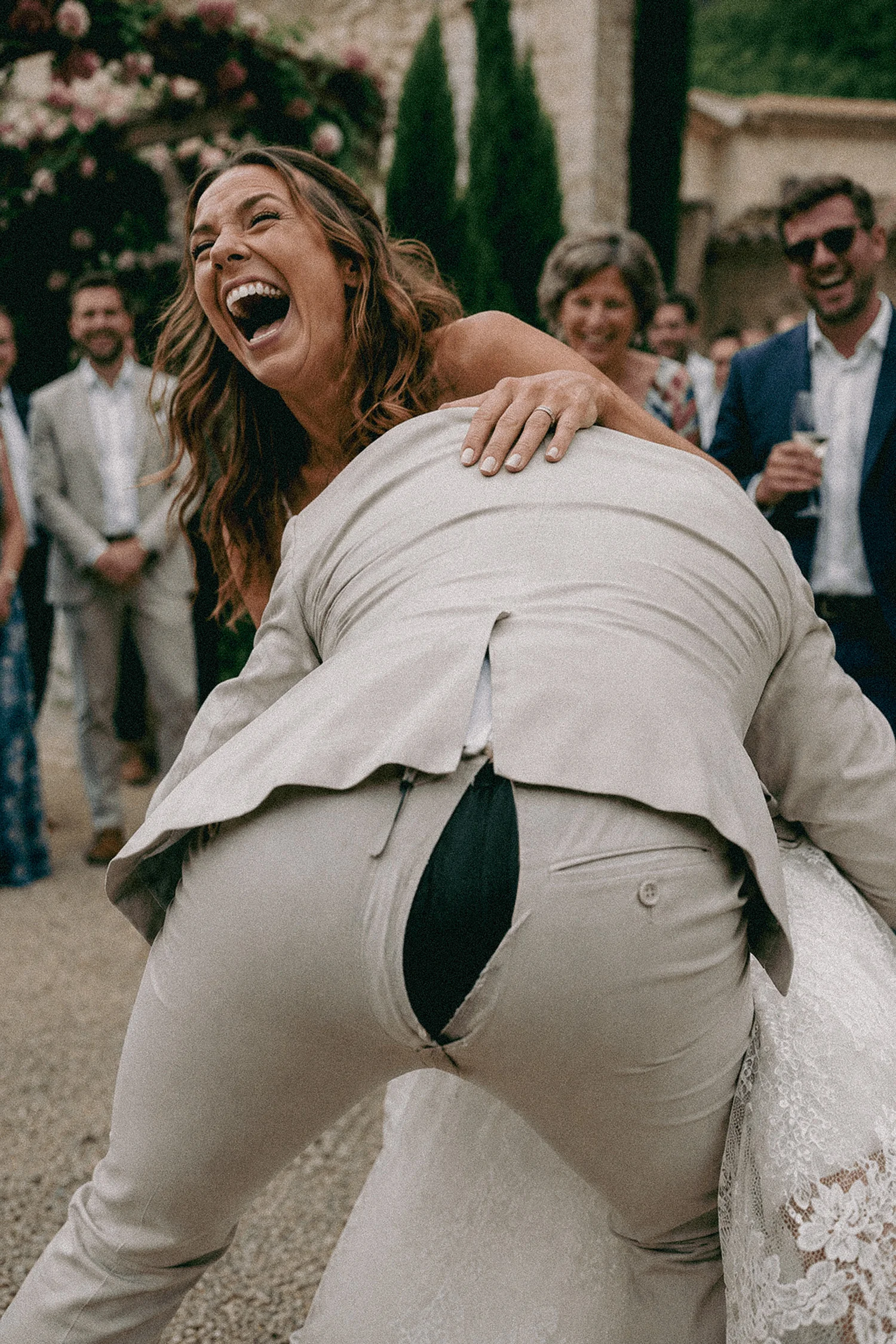
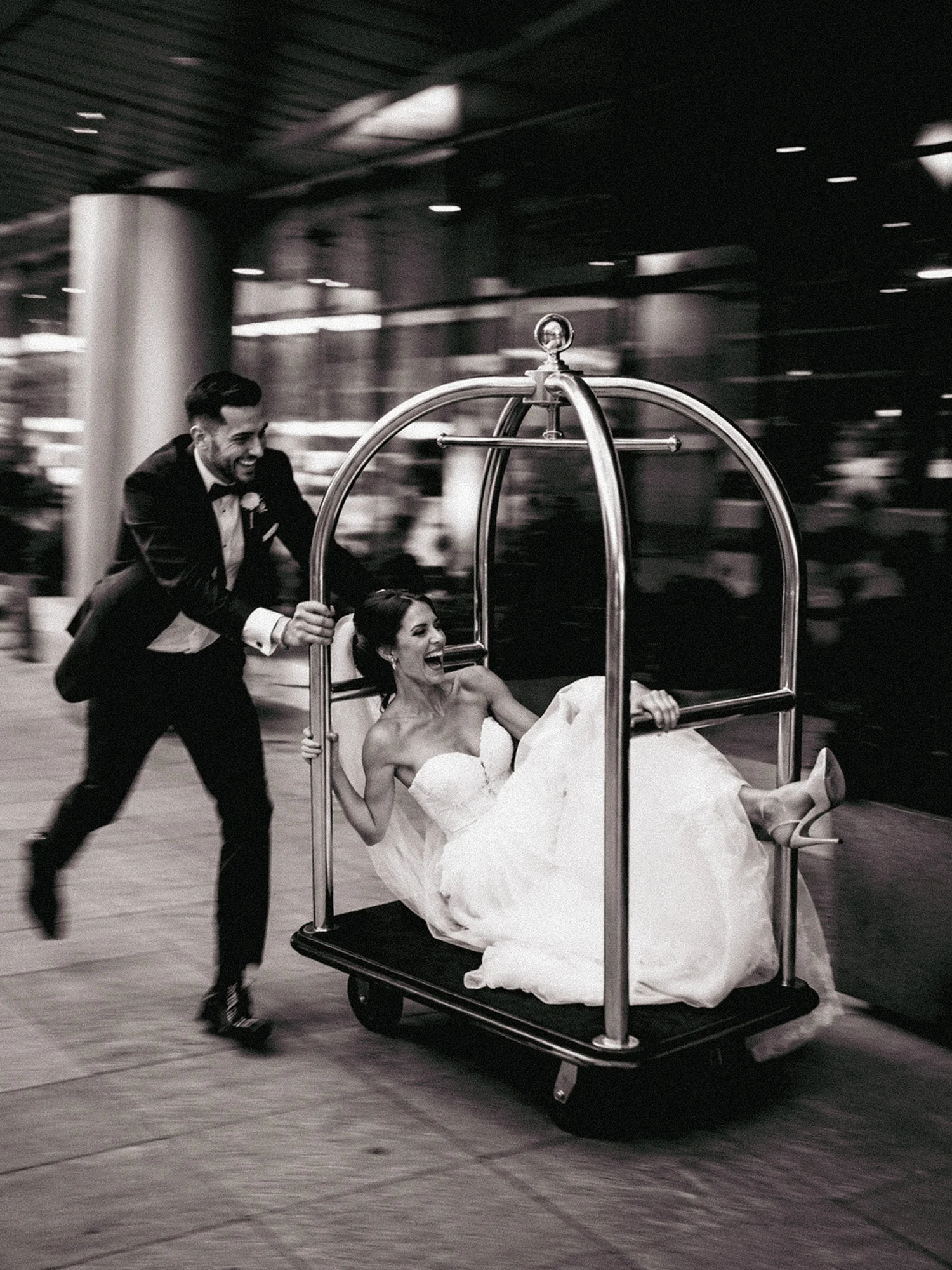

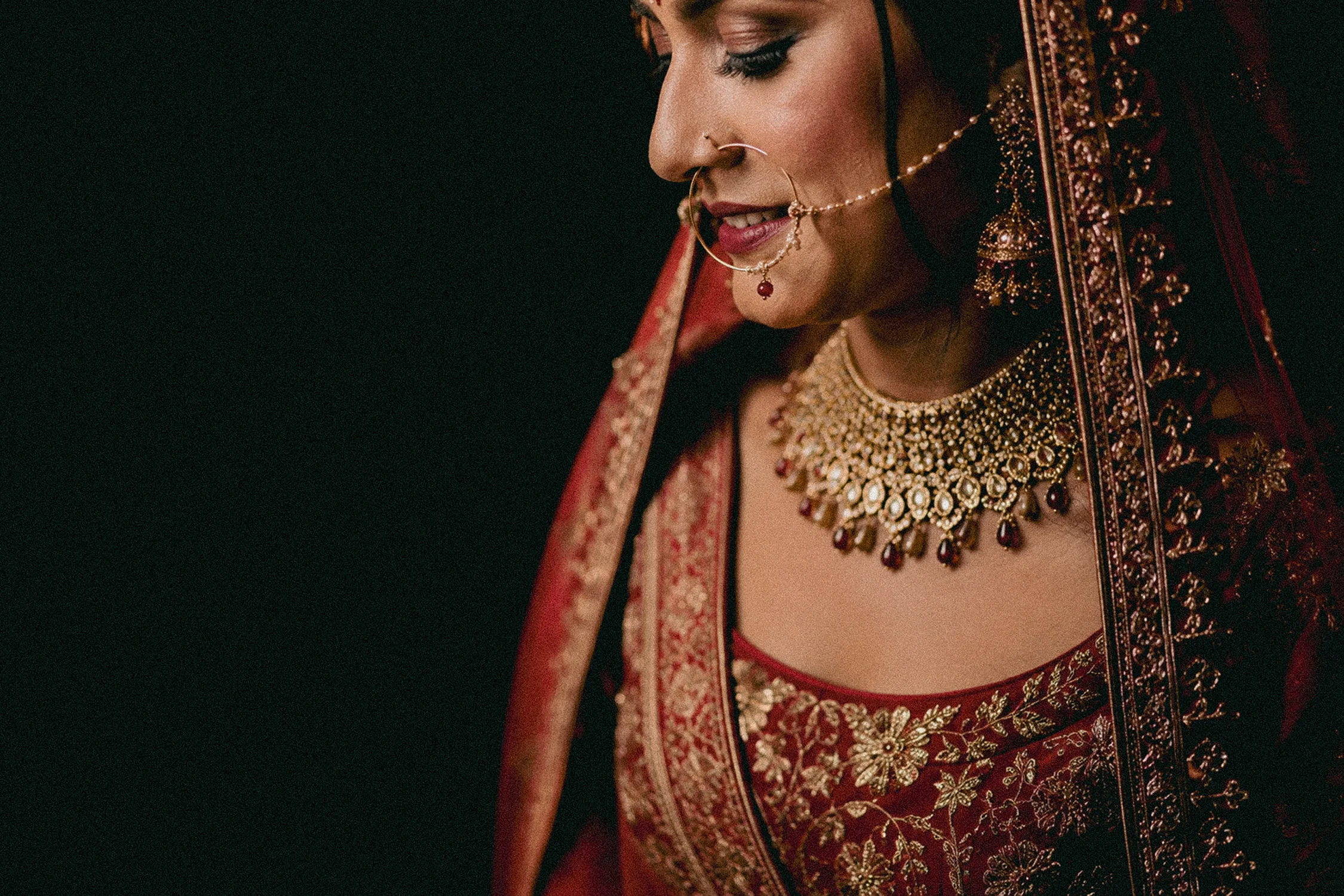
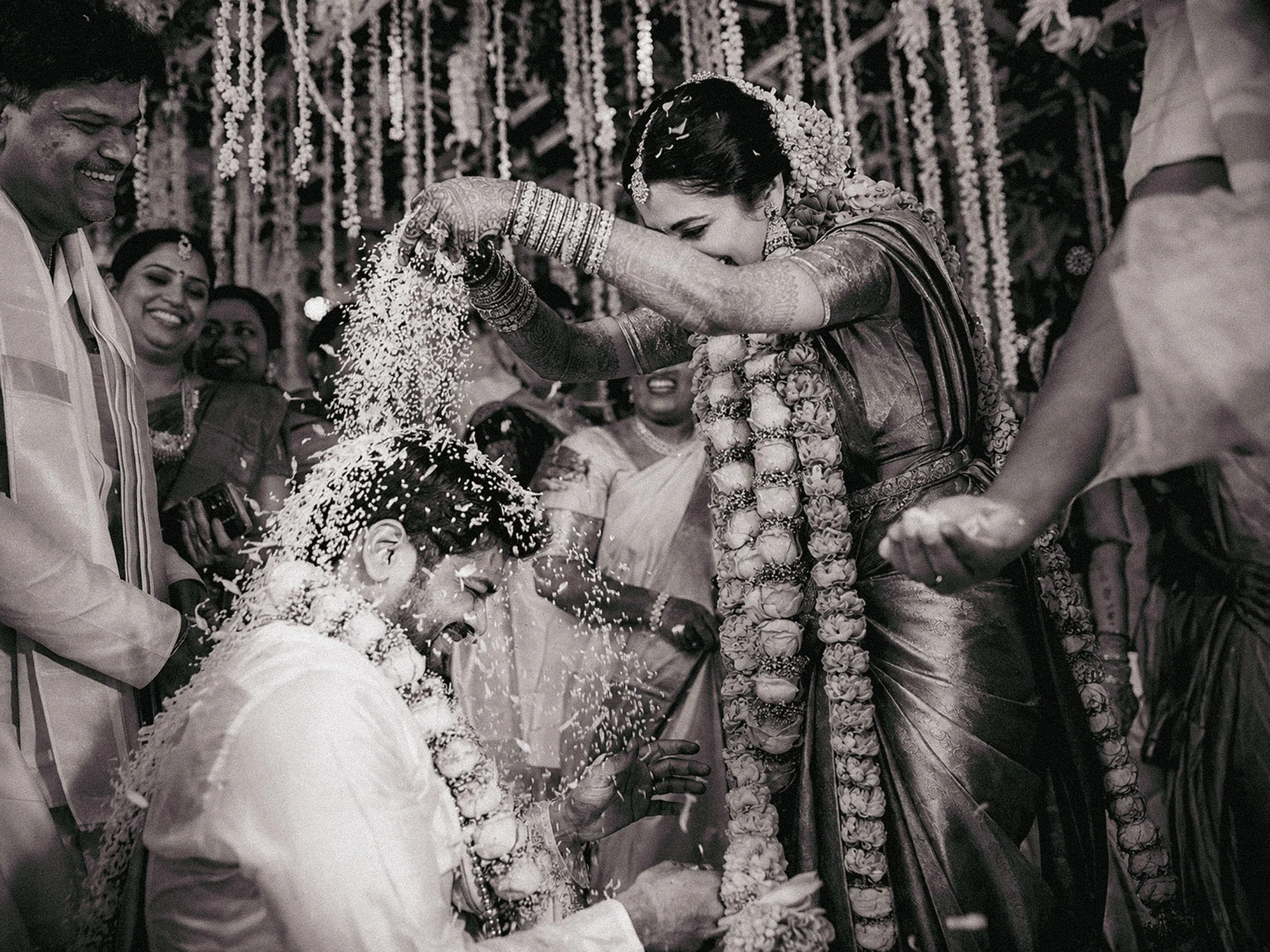
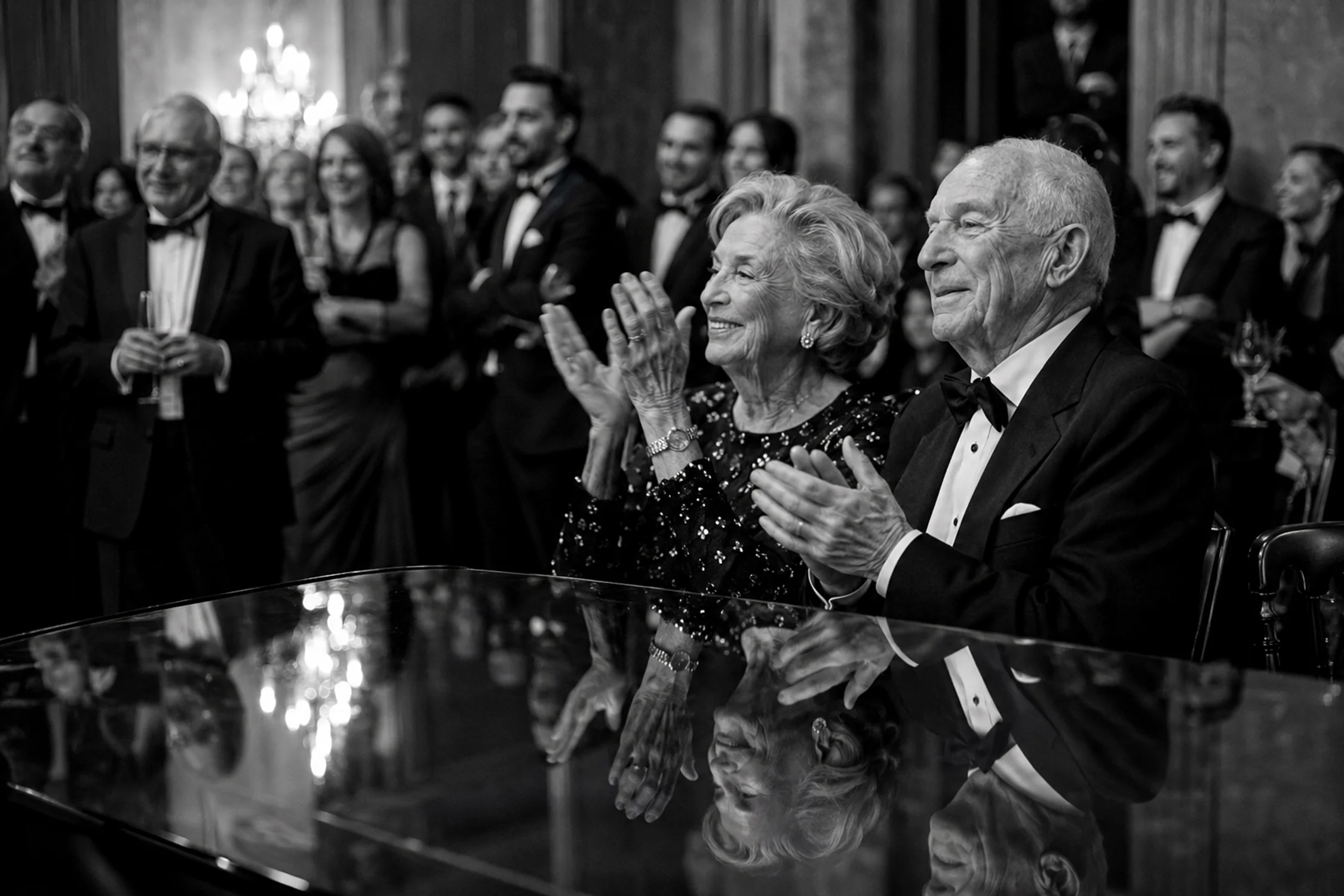
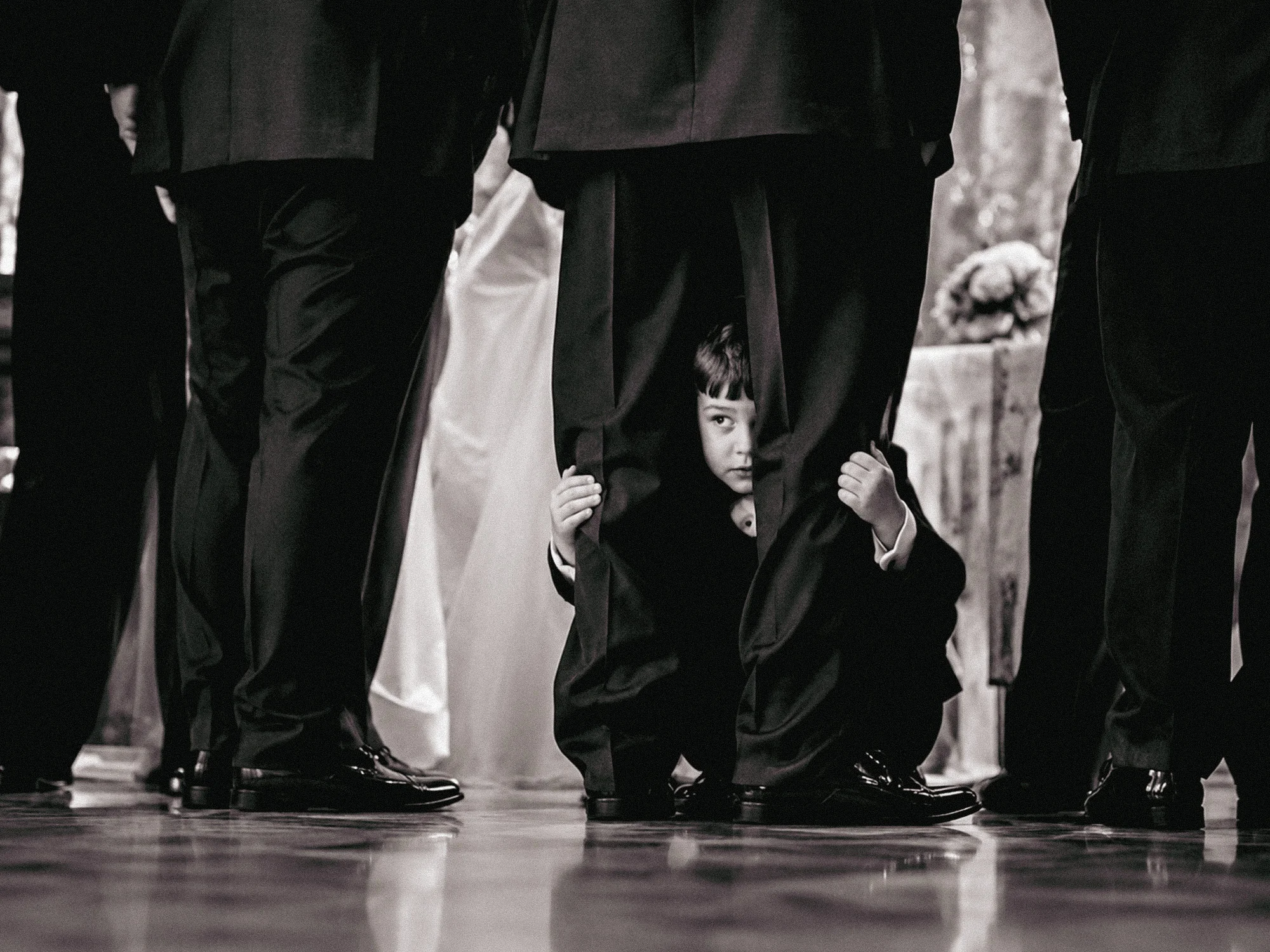


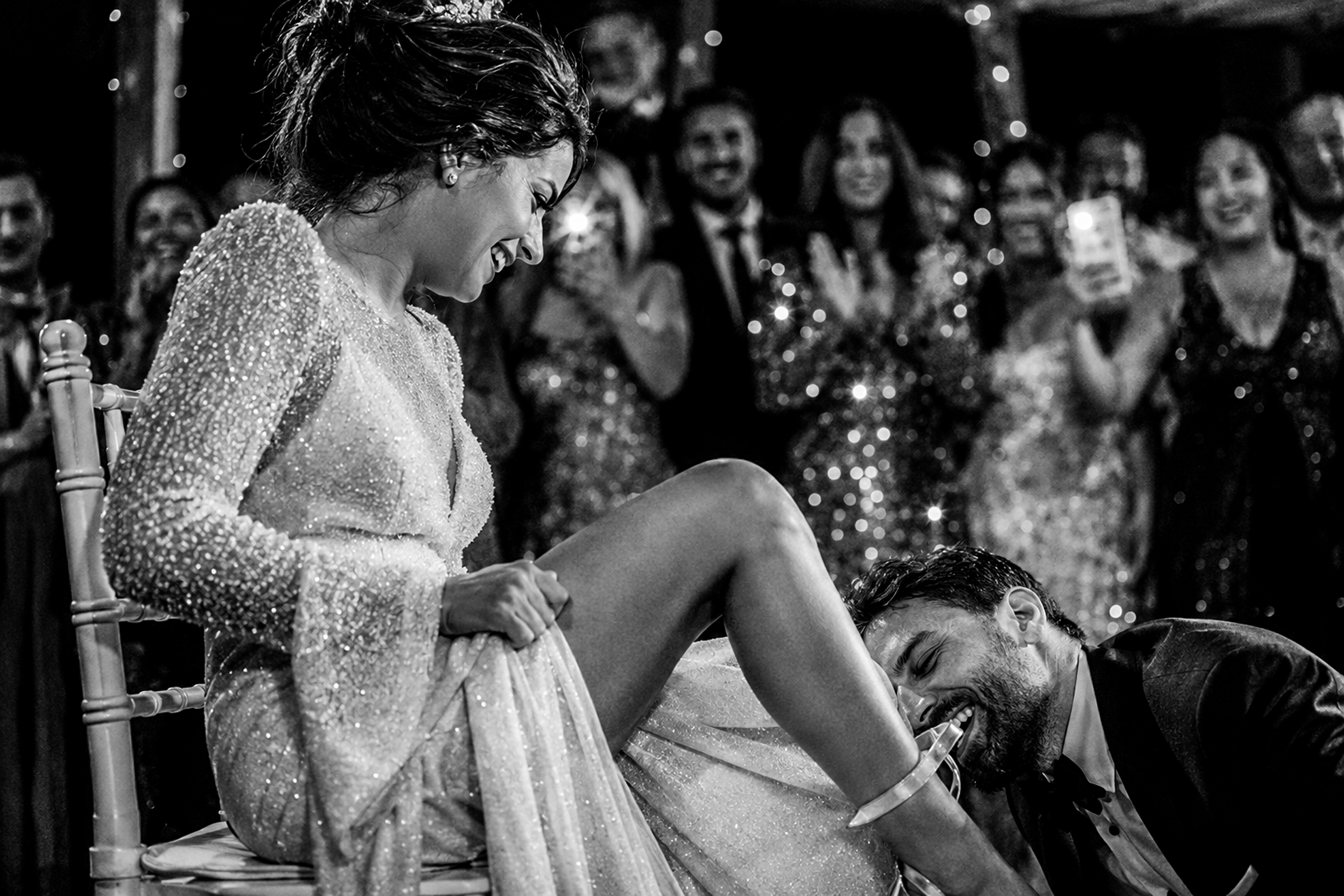
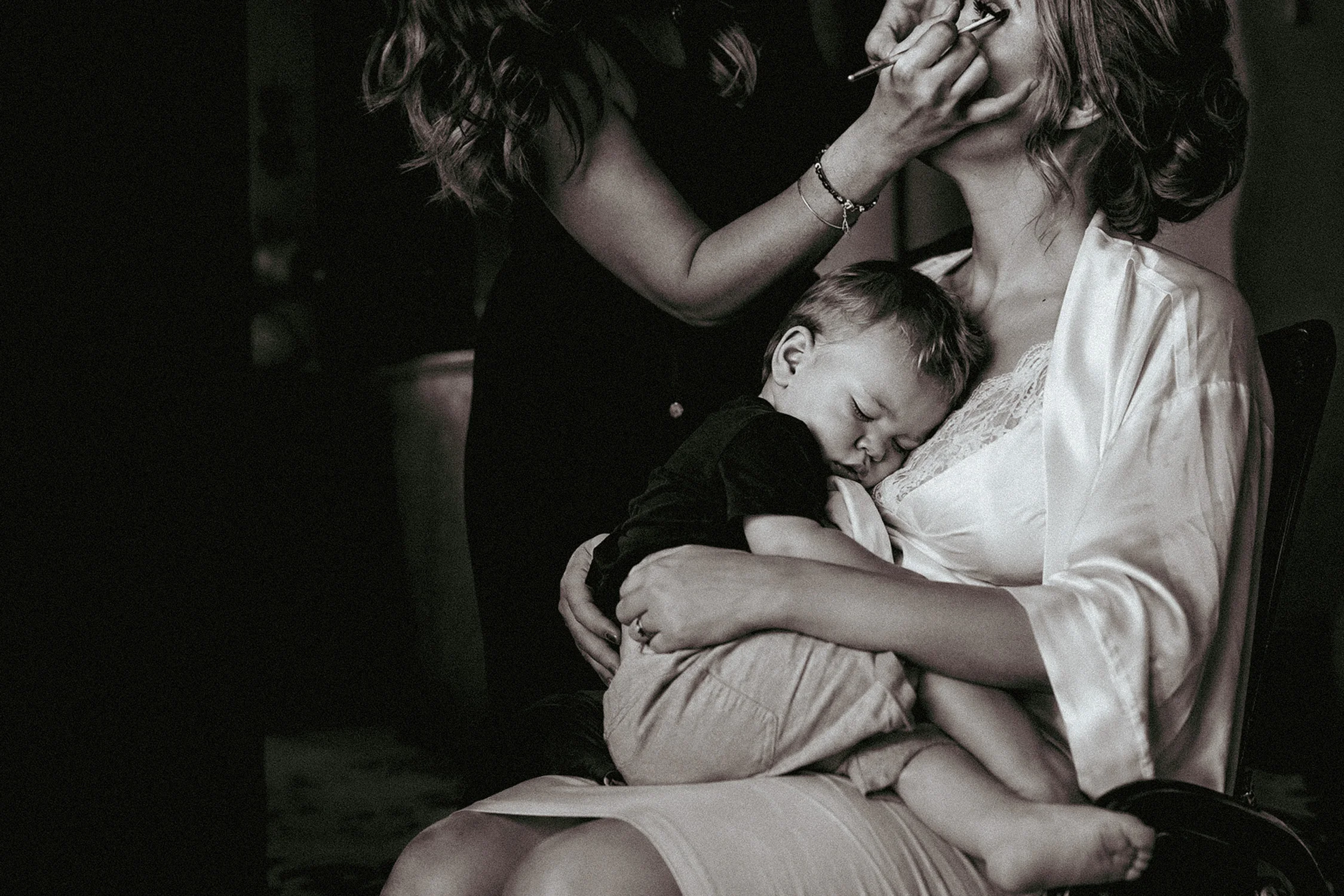
How Wedding Attire Behaves on Camera
Fit, Texture and Movement Matter More Than the Label
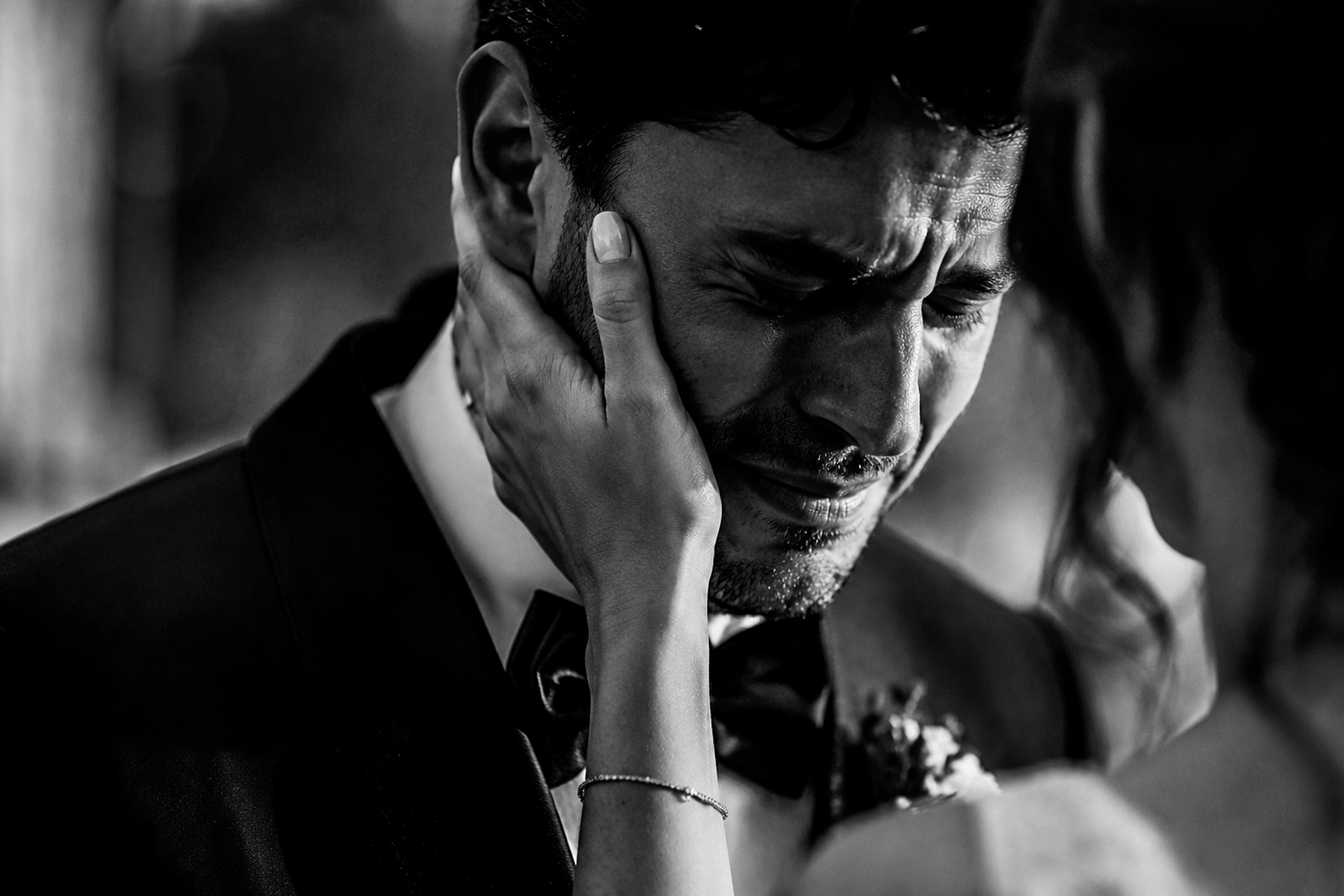
Photography and film reveal pulling, bunching, reflective fabric,
uneven hems and restricted movement more clearly than a short fitting-room glance.
Clean Fit Creates Clean Lines
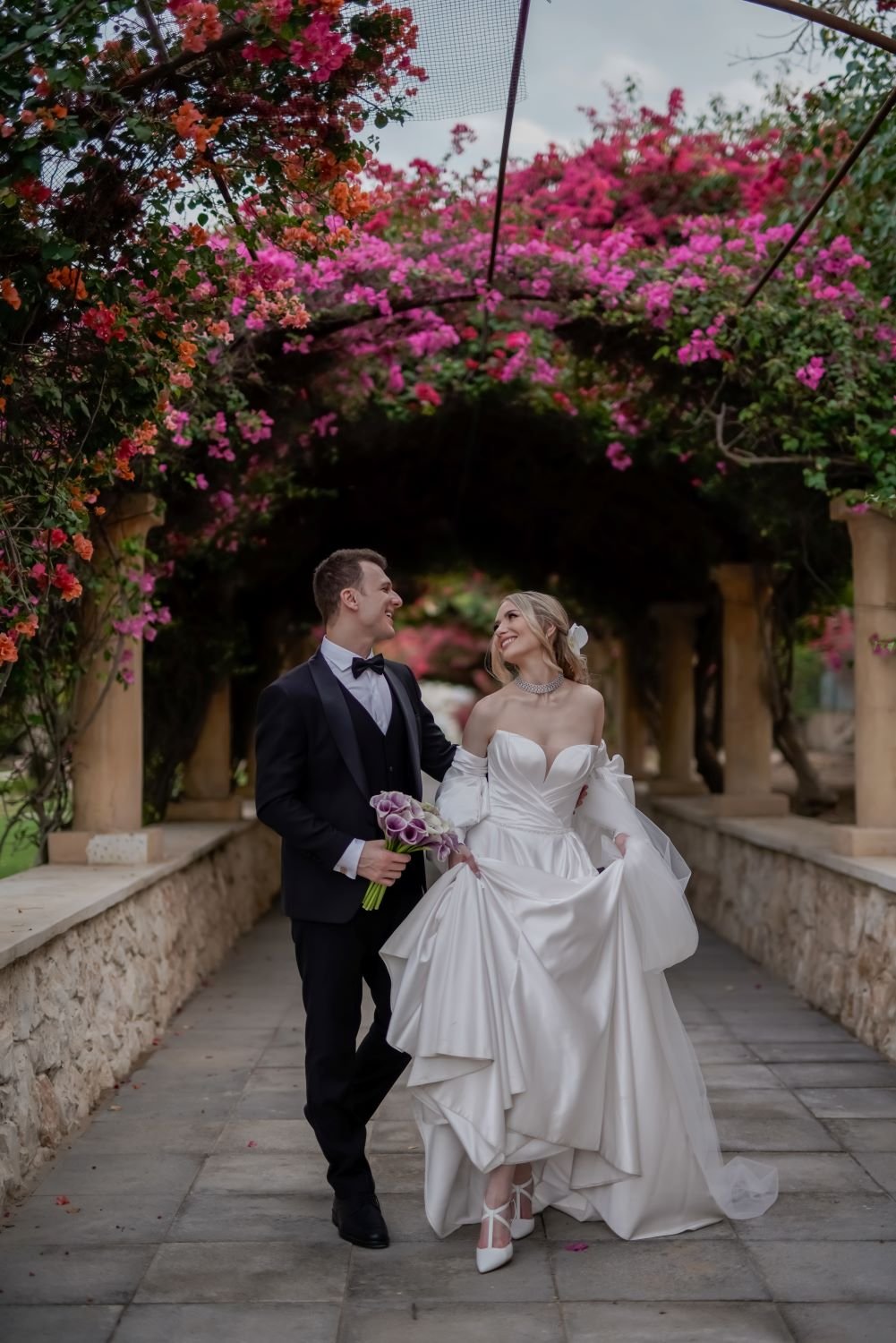
Correct shoulder, waist, sleeve and hem placement usually photographs more successfully than an expensive garment with unresolved fit.
Texture Needs the Right Light
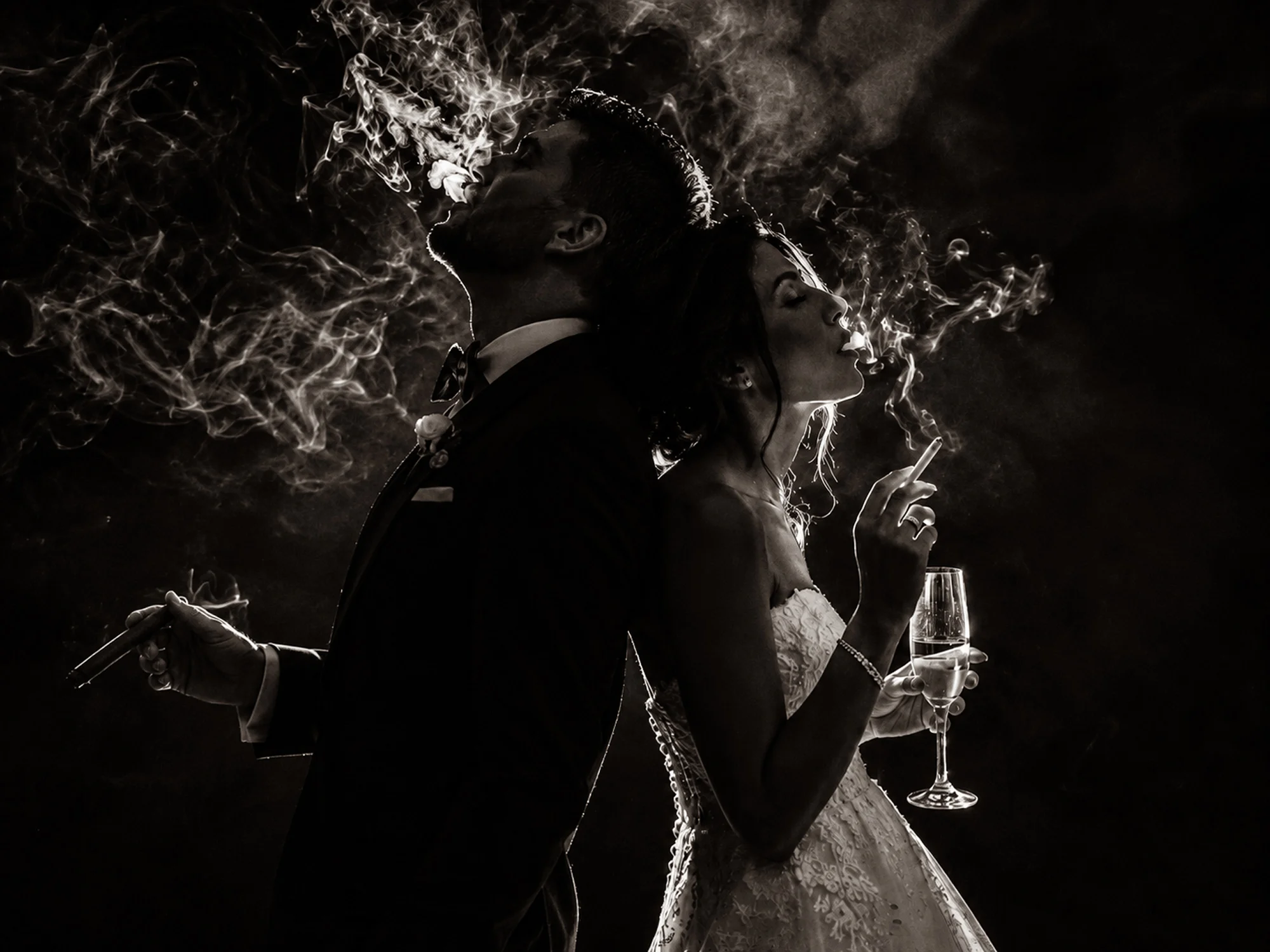
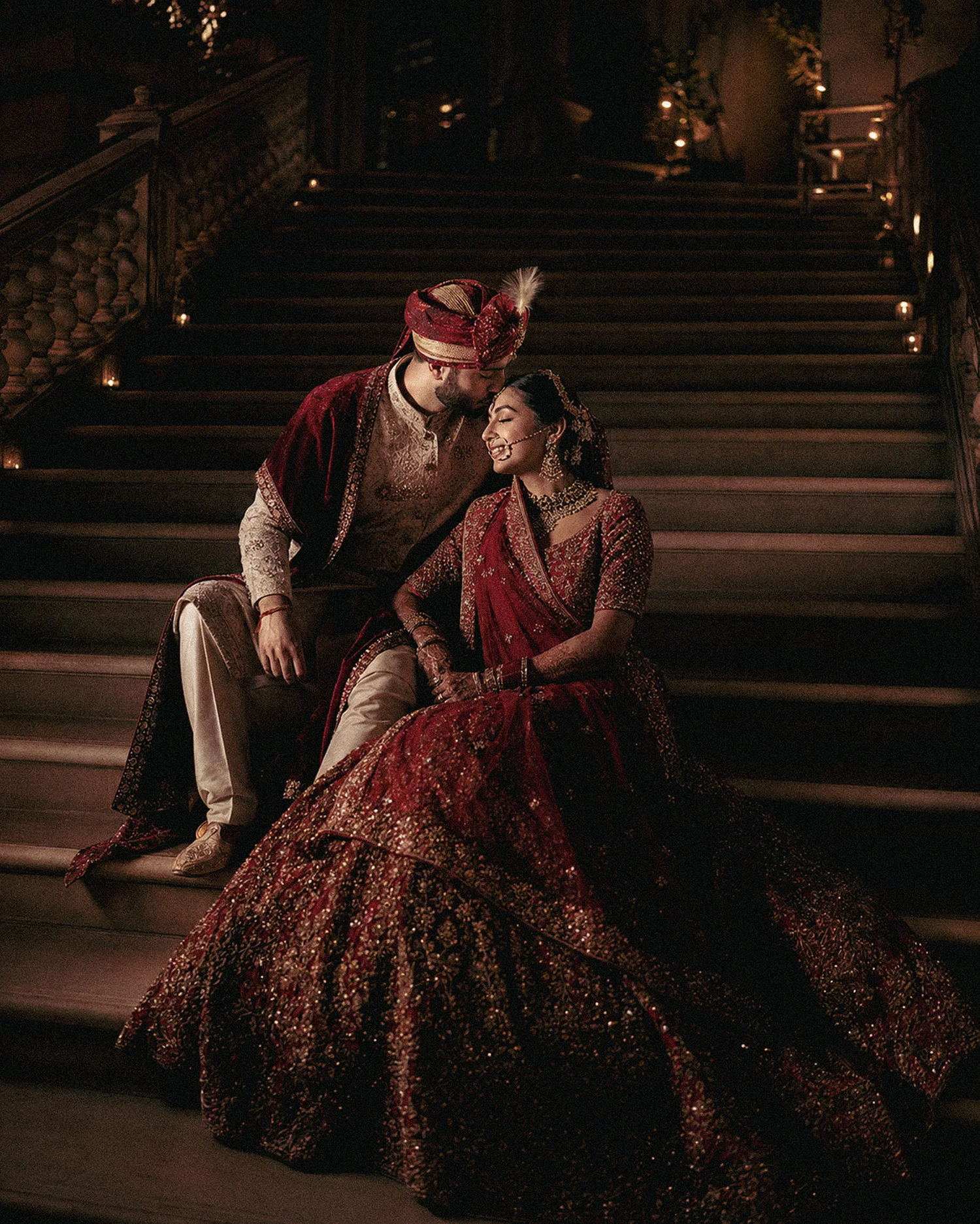
Lace, beadwork, velvet, satin and metallic details reflect light differently. The photography plan should preserve texture without losing skin tone.
Movement Should Feel Natural
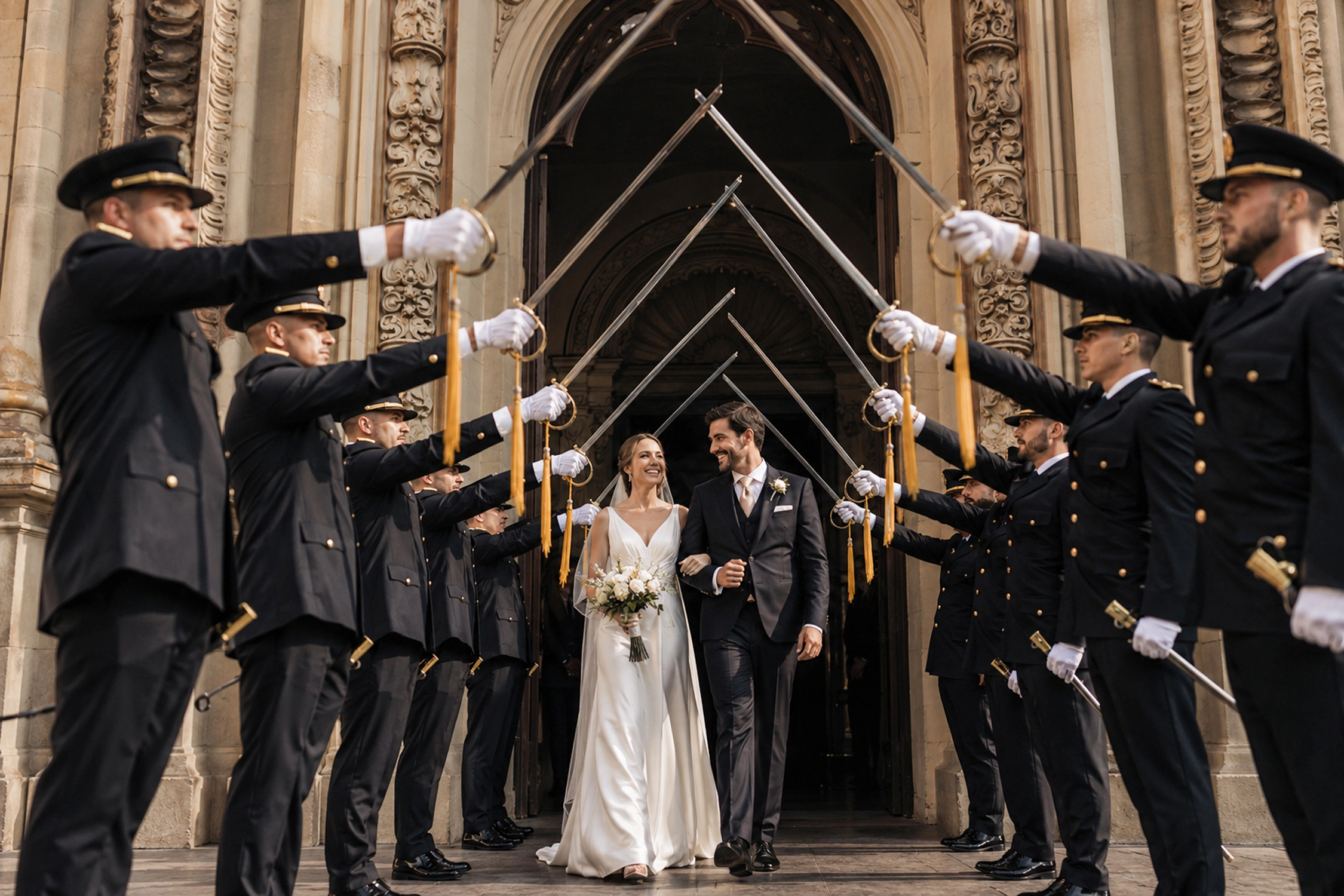
A gown, veil or jacket can create strong motion when the person can walk and turn confidently rather than fighting the clothing.
Groom Suit and Formal Outfit
How a Groom’s Outfit Should Fit and Move
Shoulders First
The jacket shoulder should follow the wearer’s natural shoulder. This area is difficult to correct when the base size is wrong.
Comfortable Jacket Closure
The jacket should close without severe pulling while leaving enough room to breathe, sit and move naturally.
Correct Sleeve Length
Sleeves should be balanced and reveal an intentional amount of shirt cuff rather than covering the hands or appearing accidentally short.
Trouser Length and Seat
Trousers should fall cleanly over the final shoes without excessive pooling, pocket pulling or fabric strain when sitting.
Shirt, Collar and Accessories
Test the shirt, tie, bow tie, waistcoat, cufflinks and watch together. Small fit problems become visible in close photographs.
Shoes Must Be Worn In
New shoes should be tested before the wedding. Pain changes posture, walking speed and the willingness to participate in portraits.
Dubai and UAE Climate
Plan for Heat, Humidity and Indoor–Outdoor Transitions
Official UAE information describes hot and humid summer conditions,
particularly in coastal areas. Attire decisions should reflect the date, venue and actual outdoor exposure.
Separate Portrait Time from Exposure Time
A short planned outdoor portrait session is different from wearing heavy layers outside for several hours.
Review Fabric and Construction
Ask the designer or tailor about lining, breathability, removable layers and how the garment responds to moisture and heat.
Prepare for Air-Conditioned Interiors
Very cool indoor venues and warm outdoor locations may require a wrap, removable layer or careful transition planning.
Protect Hair, Makeup and Fabric
Schedule outdoor portraits efficiently and keep shaded preparation, water, touch-up materials and transport close to the location.
Test Desert and Beach Movement
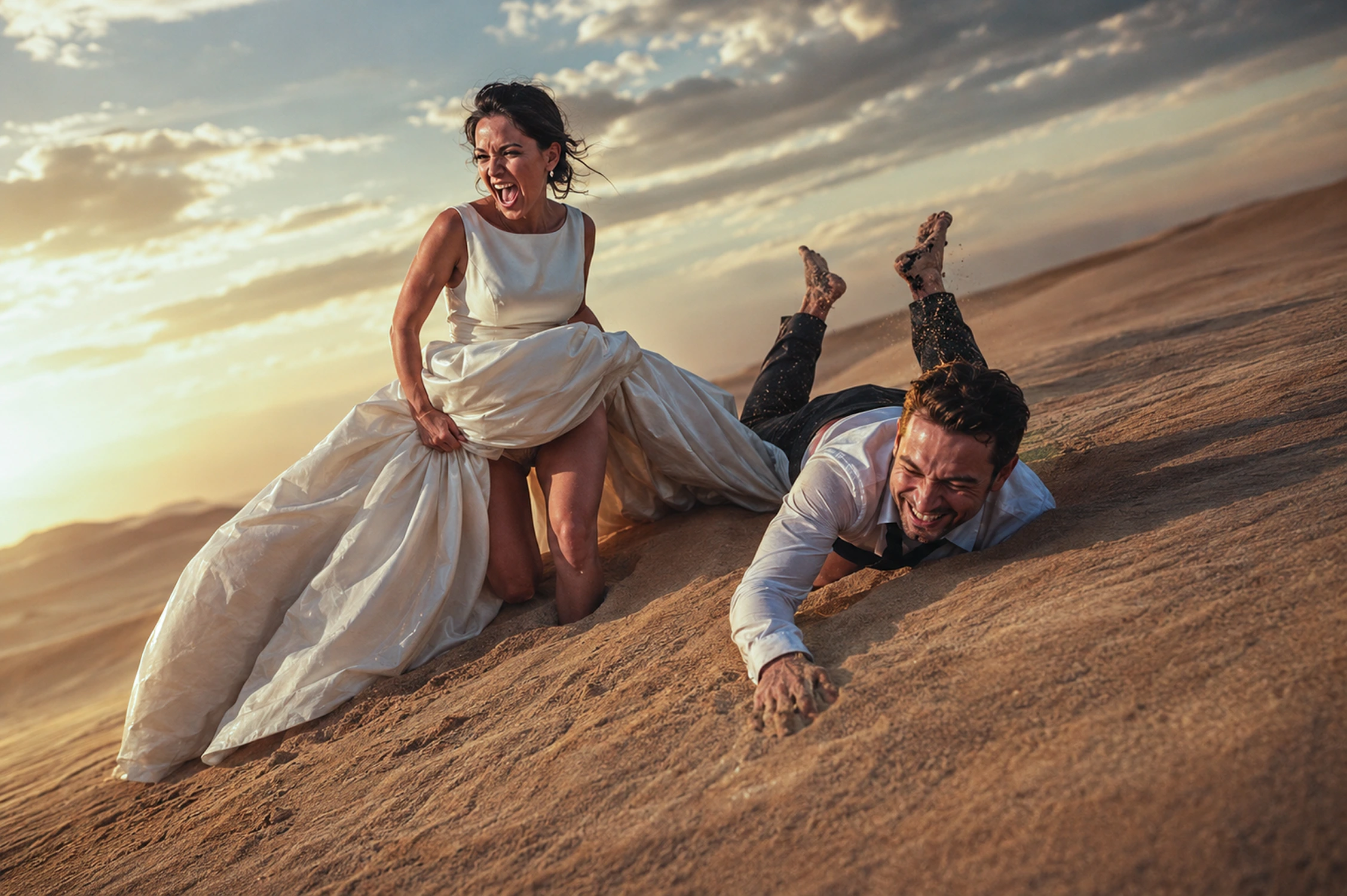
Sand, wind and uneven ground affect trains, veils, long hems and formal shoes. The styling plan should include practical assistance.
Do Not Choose Only for Sunset
The outfit must work throughout preparation, ceremony and reception—not only during one short golden-hour portrait session.
Colour and Coordination
The Couple’s Outfits Should Relate Without Becoming a Costume
Coordinate Formality
A highly formal gown and very casual groom outfit can feel visually disconnected unless that contrast is intentional.
Use Repeated Details Carefully
A shared metal, textile, flower, cultural detail or colour accent can connect the outfits without making them identical.
Check Against the Venue
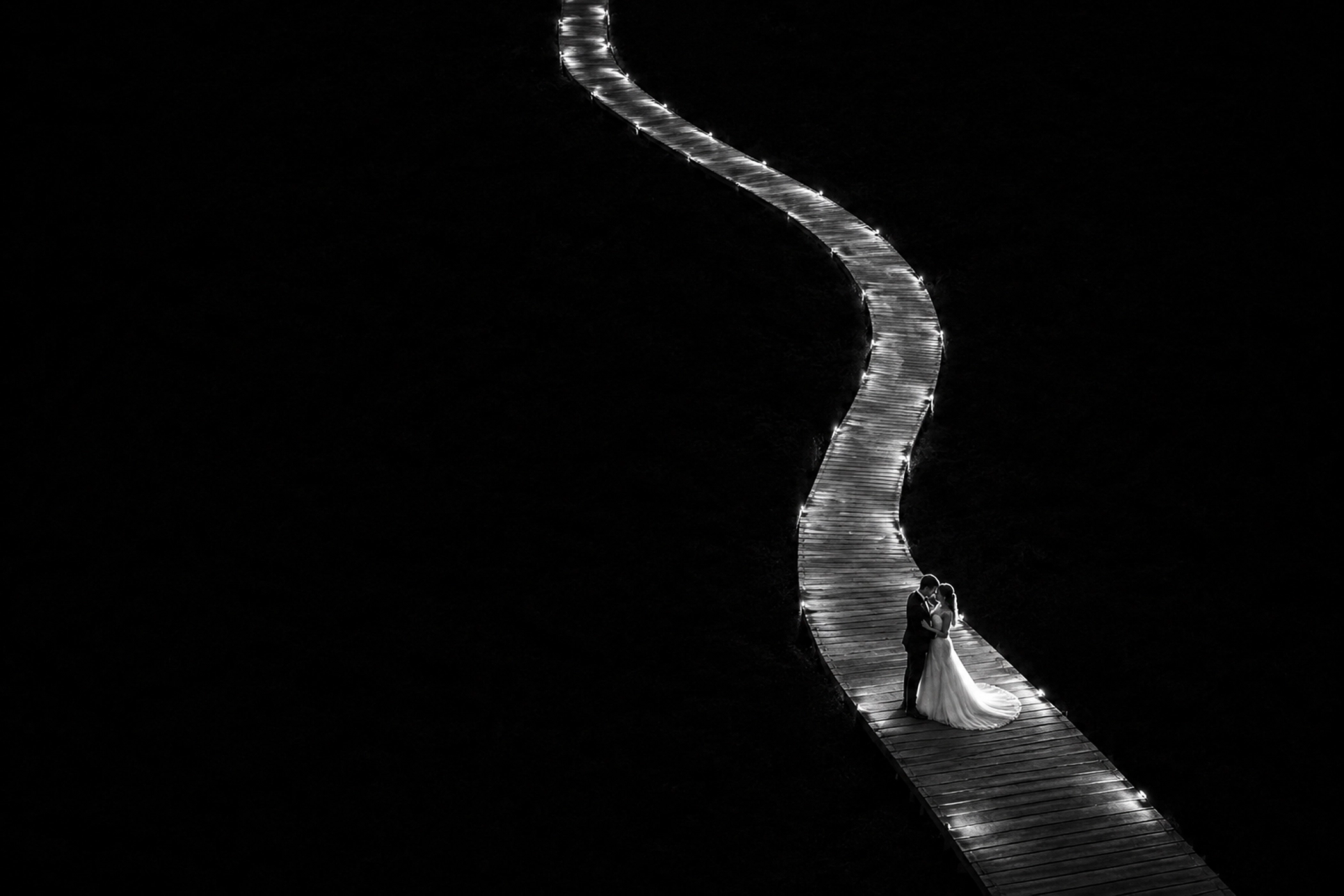
Consider walls, floor, stage, flowers and lighting so the clothing remains visible without designing the entire wedding around a photograph.
Protect Natural Skin Tone
Strong colour reflections from saturated fabric, LED walls or stage lighting should be considered during portrait and reception planning.
Respect Cultural Clothing
Traditional garments and symbols should be presented accurately and worn according to the couple’s own family or cultural guidance.
Prioritise Personal Confidence
The strongest outfit is one the person can wear without apologising, hiding or constantly adjusting themselves.
Wedding-Day Preparation
Protect the Outfit Before the Ceremony Begins
Create a Clean Dressing Area
Remove bags, packaging, food and unrelated items before the gown, suit and accessories are photographed.
Steam According to Fabric Guidance
Test equipment carefully, protect lace and embellishment, and allow fabric to cool and settle before dressing.
Assign an Outfit Helper
Choose someone who understands buttons, veil placement, train handling, bustle, jacket details and emergency repairs.
Keep All Details Together
Shoes, rings, jewellery, perfume, invitations and meaningful objects should be ready before the photography window begins.
Prepare a Small Emergency Kit
Include suitable pins, fashion tape, stain guidance, sewing items and spare closures approved for the actual fabrics.
Reserve Time Before Guests Arrive
Attire photographs, preparation moments and final adjustments are strongest when they are not squeezed between transport and ceremony cues.
Verified Production Experience
Why Wedding Attire Needs Its Own Place in a Large Production Timeline
A verified two-day wedding production at Burj Al Arab involved approximately 250 guests,
two photographers, five videographers and a twelve-person total team.
Approximately 2,500 files were captured. The photographic delivery included approximately
500 final photographs, with 200 selected images receiving professional retouching.
Album and personal-use delivery were part of the wider project.
The available project record does not identify the gown, suit, designers or event year.
This example is used only to show why attire details, preparation, portraits, movement and wardrobe support
need protected time rather than being treated as last-minute requests.
At large events, the outfit may need to move through preparation rooms, corridors, vehicles,
portrait locations, ceremonies and receptions. A production timeline should account for those transitions.
Common Mistakes
Wedding Attire Decisions That Often Cause Problems Later
Buying for a Trend Instead of the Person
A fashionable silhouette is not useful when the wearer feels unlike themselves or cannot move confidently.
Skipping Professional Alterations
Minor issues in the bodice, shoulders, hem or trouser length can become obvious throughout a full gallery and film.
Testing Without Final Shoes
Hem length, posture, balance and trouser break cannot be judged accurately with different footwear.
Ignoring the Back View
Ceremony, entrance and walking photographs often show the back, train, veil, jacket and trousers for long periods.
No Plan for the Train or Veil
Without a helper, bustle practice and time, dramatic fabric can slow movement and delay the timeline.
Assuming Photography Fixes Everything
Retouching cannot replace comfort, correct fit, clean preparation or a safe garment that behaves properly throughout the day.
Related Pages
Continue Planning Your Wedding Photography
Frequently Asked Questions
Wedding Gown and Groom Outfit FAQ
What matters most when choosing a wedding gown?
Personal identity, correct fit, movement, comfort, venue, climate and the length of time it will be worn matter more than following a temporary trend.
How can I test whether a wedding dress is comfortable?
Wear the final shoes and undergarments, then walk, sit, stand, use stairs, raise your arms, hug and practise a few dance movements.
Does every long wedding gown need a bustle?
Not every design uses the same solution, but a long train usually needs a tested plan for reception movement. Ask the alterations specialist what works for the construction.
How should a groom’s suit fit?
Shoulders should follow the body, the jacket should close comfortably, sleeves and trousers should have intentional length, and the wearer should be able to sit and move without strain.
Which wedding fabrics photograph best?
No single fabric is universally best. The photographer should adapt light to lace, satin, beadwork, velvet or matte textiles while the couple prioritises fit, comfort and meaning.
What should couples wear for an outdoor Dubai wedding?
Choose with the actual date, heat, humidity, wind, ground and outdoor duration in mind. Discuss lining, removable layers, footwear and transport with the designer or tailor.
Does Fere Studio design or alter wedding clothing?
The primary service is photography and filmmaking. Fashion design, bridal styling, tailoring and alterations are separate services unless specifically contracted.
Dubai · Abu Dhabi · UAE · Destination Weddings
Request Your Wedding Photography Proposal
Share the date, venue, guest count, event days, outfit changes,
portrait locations, cultural ceremonies, photo and film deliverables, and privacy preferences.